Uber Car Accident Settlement: How Much Can You Get?
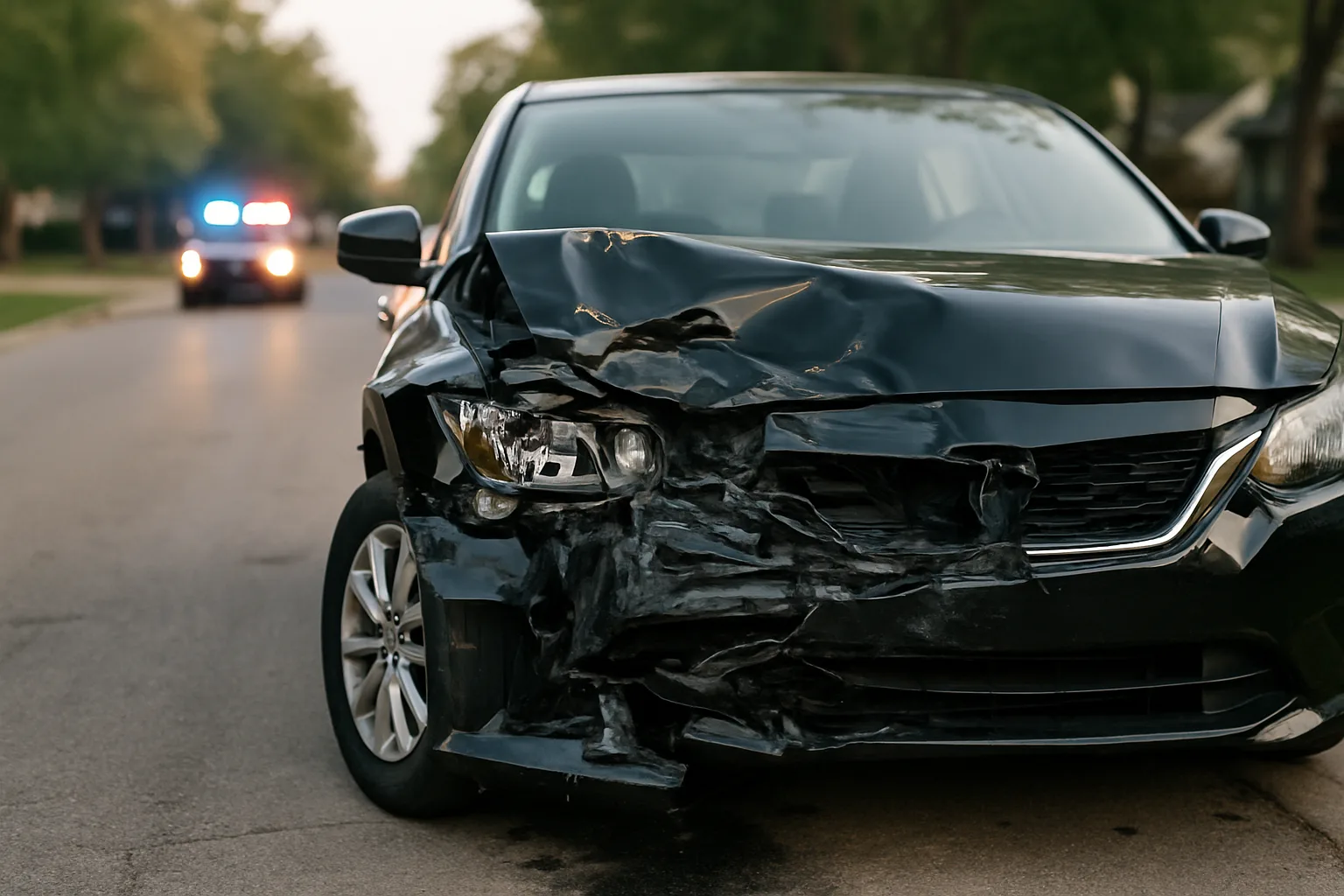
Before we dive into specifics, a quick note: this is general information, not legal advice. Every case is unique, and an experienced attorney can give you personalized guidance. That said, let's look at what you can realistically expect from an Uber accident settlement.
How Uber's Insurance Affects Your Settlement
Uber doesn't use a standard auto policy. Its coverage changes depending on what the driver was doing at the time of the crash. This is one of the biggest factors in your settlement.
Understanding these periods is essential because they determine the maximum amount of insurance money available. If you were injured while the driver was off the app, you may have to rely on the driver's personal policy. That policy might have low limits, which can severely cap your recovery.
In contrast, if the driver was actively transporting a passenger, Uber's $1 million policy provides a much larger pool of funds. This can make a dramatic difference in your settlement, especially for serious injuries.
Period 1: App Off, Driver Available
If the driver had the app on but hadn't accepted a ride request, Uber provides limited liability coverage: $50,000 per person for injury, $100,000 per accident, and $25,000 for property damage. This is often not enough for serious injuries, and the driver's personal insurance may also apply.
For example, if you were a pedestrian struck by an Uber driver who was waiting for a ride request, your claim would fall under this period. The $50,000 limit might cover emergency room bills and some follow-up care, but a broken leg requiring surgery could easily exceed that amount.
In such a scenario, you might need to pursue the driver's personal insurance for additional compensation. However, many drivers carry only state minimum coverage, which can be as low as $25,000 in some states.
Period 2: En Route to Pick Up
Once the driver accepts a ride and is heading to the passenger, Uber's liability coverage jumps to $1 million for injury and property damage. Uninsured/underinsured motorist coverage also applies at $1 million.
This period offers significantly more protection. If the driver causes a crash while en route, you have access to a much larger insurance pool. This is why claims during this phase often result in higher settlements.
For instance, if the driver runs a red light while heading to pick up a passenger and hits your car, you could recover up to $1 million. This coverage is especially valuable for catastrophic injuries like spinal cord damage or traumatic brain injury.
Period 3: Passenger On Board
While a passenger is in the vehicle, Uber's $1 million liability coverage remains in effect. This is the highest level of protection and typically leads to larger settlements for injured passengers.
Passengers have a direct claim against Uber's policy, which simplifies the process. You don't need to rely on the driver's personal insurance, and the $1 million limit provides ample room for serious injury claims.
For example, if you are an Uber passenger and the driver crashes into a tree, you could seek compensation for medical bills, lost wages, and pain and suffering up to $1 million. This is why passenger claims often settle for substantial amounts.
If you were a pedestrian or in another car, the same periods apply — but you'll be dealing with the Uber driver's insurer or Uber's policy, depending on the circumstances. Understanding which period applies is critical because it directly caps the available insurance money.
Typical Settlement Amounts for Uber Accidents
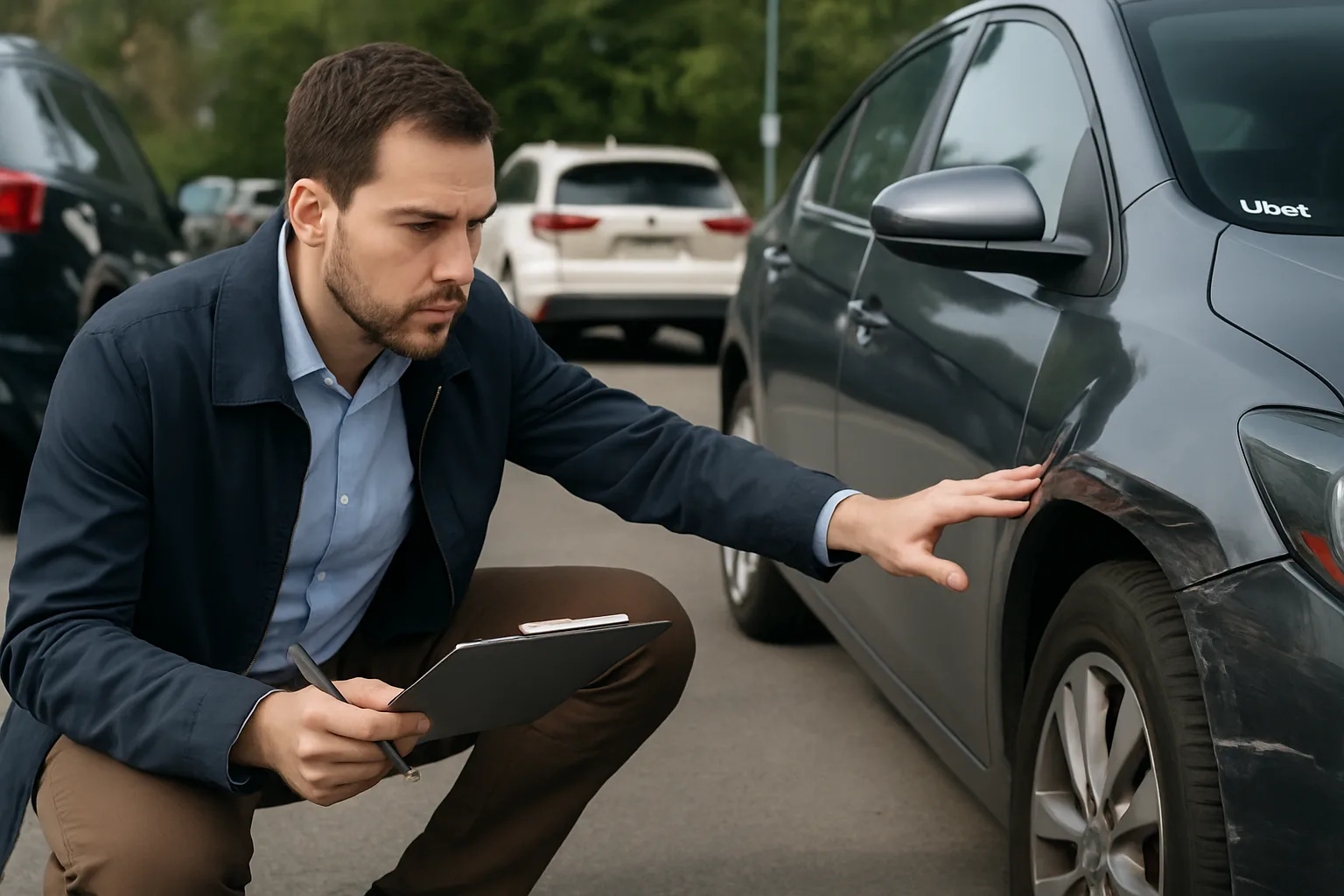
No two cases are identical, but looking at common scenarios gives you a ballpark. The table below shows illustrative ranges based on injury severity and fault.
| Scenario | Typical Settlement Range | Notes |
|---|---|---|
| Minor injury (whiplash, bruises) | $5,000 – $20,000 | Often resolves quickly; medical bills low. |
| Moderate injury (fracture, herniated disc) | $20,000 – $75,000 | May require physical therapy or surgery. |
| Serious injury (spinal cord, traumatic brain injury) | $100,000 – $500,000+ | Long-term care, lost wages, pain and suffering. |
| Passenger in Uber (driver at fault) | $50,000 – $1 million | Uber's $1M policy applies; higher payouts. |
| Pedestrian hit by Uber driver | $25,000 – $500,000+ | Depends on injuries and driver's coverage. |
These numbers are illustrative. Your actual settlement could be higher or lower depending on the specifics of your case.
For instance, a minor whiplash case might settle for $10,000 if you recover within a few weeks. But a herniated disc requiring surgery could easily reach $75,000 or more, especially if you miss work for several months.
Serious injuries like spinal cord damage often lead to settlements exceeding $500,000. These cases involve lifelong medical care, lost earning capacity, and significant pain and suffering.
What Factors Determine Your Uber Accident Settlement?
Insurance adjusters and juries look at several key elements when valuing a claim. Understanding these helps you know what to emphasize.
Each factor interacts with the others, creating a unique valuation for every case. For example, strong evidence of fault can offset weak injuries, but severe injuries with clear liability typically yield the highest settlements.
Your attorney will gather evidence to support each factor. This includes medical records, police reports, witness statements, and expert testimony.
Fault and Liability
In most states, you can only recover if the Uber driver was at least partially at fault. If you were partly to blame, your settlement may be reduced by your percentage of fault (comparative negligence). For example, if you were 20% at fault, your $100,000 settlement would drop to $80,000.
Some states follow a "pure comparative negligence" rule, where you can recover even if you are 99% at fault. Other states have a "modified comparative negligence" rule, which bars recovery if you are 50% or 51% at fault.
Understanding your state's rules is crucial. An attorney can explain how fault will affect your specific claim.
Severity of Injuries
Medical records are the backbone of your claim. The more serious and well-documented your injuries, the higher the settlement. Soft tissue injuries like sprains settle for less than broken bones or herniated discs.
Permanent injuries or those requiring surgery command top dollar.
For example, a sprained ankle with two weeks of treatment might settle for $8,000. But a fractured femur requiring surgery and months of physical therapy could settle for $60,000 or more.
Permanent injuries, such as nerve damage or chronic pain, often lead to settlements in the six-figure range. These cases require expert testimony to prove the long-term impact.
Medical Expenses and Lost Wages
Add up all your medical bills — emergency room, surgery, physical therapy, medications. Also include lost income from time off work. These are called economic damages, and they form the foundation of your settlement.
Non-economic damages (pain and suffering) are typically calculated as a multiple of economic damages, often 1.5 to 5 times.
For instance, if your medical bills total $30,000 and you lost $10,000 in wages, your economic damages are $40,000. A pain and suffering multiplier of 3 would add $120,000, bringing your total to $160,000.
Your attorney will help you document all economic losses. This includes future medical expenses and lost earning capacity, which can significantly increase your settlement.
Insurance Policy Limits
The at-fault party's insurance is the ceiling for your settlement. If the Uber driver only has state minimum coverage ($25,000 in many states) and your injuries are severe, you may need to tap into Uber's policy or your own underinsured motorist coverage.
For example, if your medical bills are $100,000 and the driver's policy only covers $25,000, you would need to pursue Uber's policy or your own insurance. This is why understanding the applicable period is so important.
If Uber's policy applies, you have access to $1 million in coverage. This can fully compensate you for even catastrophic injuries.
Strength of Evidence
Police reports, witness statements, dashcam footage, and cell phone records can prove fault. The stronger your evidence, the harder it is for the insurance company to deny or lowball your claim.
For instance, dashcam footage showing the Uber driver running a red light is powerful evidence. It eliminates disputes over fault and forces the insurance company to offer a fair settlement.
Without strong evidence, the insurance company may argue that you were at fault. This can reduce your settlement or even result in a denial of your claim.
The Role of Uber's App Data in Settlement Negotiations
Uber's app records detailed data about every trip. This includes GPS coordinates, timestamps, and driver status changes. This data can be crucial for proving which insurance period applies.
For example, if the accident happened 30 seconds after the driver accepted a ride, the app data will show the driver was "en route." This triggers Uber's $1 million policy, which is far more valuable than the $50,000 period 1 coverage.
Your attorney can request this data through a preservation letter or subpoena. Uber is required to retain this information for a limited time, so acting quickly is essential.
Without this data, the insurance company might argue the driver was still in period 1. This could cap your settlement at $50,000, even if you have severe injuries.
How to Request Uber's Data
To preserve Uber's app data, send a written request immediately after the accident. Your attorney will handle this, but you can also contact Uber's legal department directly.
The data includes the driver's location, speed, and app status at the time of the crash. It can also show whether the driver was using the Uber app or another app like Lyft.
For instance, if the driver was logged into both Uber and Lyft, the data may show which app was active. This can affect which company's insurance applies.
How Long Does an Uber Car Accident Settlement Take?
One of the most common questions is how long does a car accident settlement take? The timeline varies, but here's a realistic breakdown.
The timeline depends on the complexity of your case. Simple cases with clear liability and minor injuries resolve quickly. Complex cases with disputed fault or severe injuries take much longer.
Your attorney can give you a more specific timeline based on your case. But understanding the general phases helps you set realistic expectations.
Simple Cases: 2 to 4 Months
If injuries are minor, fault is clear, and insurance limits are adequate, you might settle in a few months. The process involves gathering medical records, sending a demand letter, and negotiating with the adjuster.
For example, if you have whiplash and the Uber driver clearly caused the accident, you might settle in 3 months. The insurance company will review your medical bills and offer a settlement quickly.
These cases often require minimal negotiation. The adjuster knows the claim is valid and wants to close it efficiently.
Moderate Cases: 4 to 8 Months
When injuries require ongoing treatment or there's a dispute over fault, negotiations take longer. You may need to wait until you reach maximum medical improvement (MMI) before settling.
MMI means your condition has stabilized and further improvement is unlikely. Settling before MMI can leave you undercompensated if your injuries worsen.
For instance, if you have a herniated disc that requires 6 months of physical therapy, you should wait until treatment ends. This ensures your settlement covers all medical expenses.
Complex Cases: 1 to 2 Years
If liability is contested, injuries are severe, or multiple parties are involved, the case may go to litigation. Filing a lawsuit extends the timeline significantly, but it can also increase the settlement amount.
For example, if the Uber driver disputes fault and the case goes to trial, it could take 18 months or more. However, the threat of a trial often pressures the insurance company to offer a higher settlement.
Complex cases involving multiple defendants, such as a crash with two at-fault drivers, also take longer. Your attorney will need to coordinate with multiple insurance companies.
On average, most Uber accident claims resolve within 6 to 12 months. If you're wondering how long does it take for a car accident settlement, that's a reasonable estimate for a typical case.
How to Maximize Your Uber Accident Settlement
Getting the full value of your claim requires strategy. Here's what experienced attorneys recommend.
Every action you take after the accident can affect your settlement. From seeking medical care to documenting evidence, each step builds your case.
Working with an attorney is the most effective way to maximize your settlement. But even before hiring one, you can take steps to protect your claim.
Seek Medical Attention Immediately
Even if you feel fine, see a doctor. Some injuries take days to appear. Prompt treatment creates a medical record linking your injuries to the accident, which is crucial for your claim.
For example, whiplash symptoms often appear 24 to 48 hours after a crash. If you wait a week to see a doctor, the insurance company may argue your injuries were caused by something else.
Delayed treatment also weakens your claim. The insurance adjuster will question why you didn't seek care sooner, which can reduce your settlement.
Don't Talk to the Insurance Company Alone
Adjusters are trained to minimize payouts. They may ask for a recorded statement or try to get you to accept a quick settlement. Politely decline and refer them to your attorney.
A car accident settlement lawyer can handle all communication.
For instance, an adjuster might call you days after the accident and ask, "How are you feeling?" If you say "fine," they may use that to argue your injuries are minor. Your attorney will advise you not to answer such questions.
Insurance companies also often offer quick, lowball settlements. They hope you will accept before you understand the full value of your claim. An attorney will reject these offers and negotiate for fair compensation.
Document Everything
Keep a journal of your pain, limitations, and recovery. Save all medical bills, receipts for prescriptions, and proof of lost wages. Photos of your injuries and vehicle damage also help.
For example, write down how your injury affects your daily life. If you cannot lift your child or walk up stairs, document that. This evidence supports your pain and suffering claim.
Photographs of your injuries, such as bruises or surgical scars, are powerful visual evidence. They show the jury or adjuster the physical impact of the accident.
Understand the Value of Your Claim
Don't accept the first offer. Insurance companies often start low. Use an average car accident settlement amount calculator or consult an attorney to know what your case is worth.
For instance, the first offer might be $10,000 for a case worth $50,000. If you accept, you waive your right to seek more compensation. Negotiating can significantly increase your settlement.
An attorney can calculate the full value of your claim, including future medical expenses and lost earning capacity. This ensures you don't settle for less than you deserve.
Hire an Experienced Attorney
Uber cases involve complex insurance issues. An accident settlement lawyer who handles rideshare accidents can navigate the nuances and fight for maximum compensation. Most work on contingency, so you pay nothing unless they win.
For example, an attorney will determine which Uber insurance period applies and file claims accordingly. They will also negotiate with the insurance company and, if necessary, file a lawsuit.
Studies show that represented claimants receive 3-4 times more than those who go it alone. This is because attorneys understand the legal system and know how to build a strong case.
What If the Uber Driver Was Not at Fault?
If another driver caused the accident, you would file a claim against that driver's insurance. Uber's coverage may still apply if the other driver is uninsured or underinsured. Your own auto policy might also provide coverage through uninsured motorist provisions.
For instance, if a third-party driver runs a red light and hits the Uber, you would file a claim with that driver's insurance. If that driver has only $25,000 in coverage and your injuries are severe, you may need to tap into Uber's underinsured motorist coverage.
Your own insurance policy may also help. Uninsured motorist coverage can compensate you if the at-fault driver has no insurance or insufficient limits.
An attorney can help you identify all available sources of compensation. This ensures you recover the maximum amount possible, even if the Uber driver is not at fault.
Common Mistakes That Can Reduce Your Settlement
Many accident victims unknowingly harm their own claims. Avoiding these mistakes can protect your settlement.
Insurance adjusters look for reasons to deny or reduce claims. Even a small error can be used against you.
Your attorney will guide you through the process. But knowing these pitfalls in advance helps you avoid them.
Posting on Social Media
Insurance companies monitor social media for evidence. A photo of you smiling at a party could be used to argue your injuries are not serious.
For example, if you have a back injury but post a picture of yourself at a concert, the adjuster may claim you are exaggerating. Avoid posting anything about the accident or your activities.
Set your social media accounts to private and refrain from posting until your case settles. Your attorney will advise you on what to avoid.
Accepting a Quick Settlement
Insurance companies often offer a fast settlement to close the case. But these offers rarely cover the full extent of your damages.
For instance, if you accept $5,000 for a whiplash injury, you cannot later ask for more if your condition worsens. Always wait until you reach MMI before settling.
An attorney will ensure you do not settle too early. They will calculate the true value of your claim, including future medical costs.
Failing to Follow Medical Advice
If your doctor prescribes physical therapy but you skip sessions, the insurance company may argue you are not seriously injured. Following your treatment plan shows you are taking your recovery seriously.
For example, if you miss three physical therapy appointments, the adjuster may claim your injury is not severe. This can reduce your pain and suffering award.
Always attend medical appointments and follow your doctor's instructions. This builds credibility and strengthens your claim.
Do You Need a Lawyer for an Uber Accident Settlement?
While you can handle a simple claim on your own, legal representation often leads to higher settlements. Studies show that represented claimants receive 3-4 times more than those who go it alone. An attorney understands the tactics insurance companies use and can take your case to court if necessary.
For example, a simple case with minor injuries and clear fault might settle for $10,000 without an attorney. But with an attorney, the same case might settle for $20,000 or more, even after legal fees.
Complex cases involving Uber's insurance policies almost always require an attorney. The nuances of rideshare coverage are difficult to navigate without legal training.
Most personal injury attorneys offer free consultations. You can discuss your case and learn about your options without any financial obligation.
Key Takeaways
- Uber accident settlements range from a few thousand dollars to over $1 million, depending on injuries and insurance coverage.
- Uber's insurance changes based on the driver's status at the time of the crash — know which period applies.
- Most cases settle within 6 to 12 months, but complex litigation can take longer.
- Document your injuries, avoid speaking to adjusters alone, and consider hiring an attorney to maximize your settlement.
- This article is for informational purposes only and does not constitute legal advice. Consult a qualified attorney for your specific situation.
Frequently asked questions
How long does an Uber car accident settlement take?
What is the average settlement for an Uber accident?
How much does Uber insurance pay for an accident?
Can I sue Uber after an accident?
What should I do immediately after an Uber accident?
This article is for general informational purposes only and does not constitute legal advice. Always consult a qualified professional about your specific circumstances.

Written & reviewed by
Can OTUConsumer Legal Information Researcher & Editor
Can OTU researches and edits every guide on this site, drawing on primary legal sources, court records, and state statutes to produce accurate, plain-English explanations of U.S. compensation and personal injury claims.
View all guides →