What Is a Fair Settlement for a Concussion in a Car Accident?
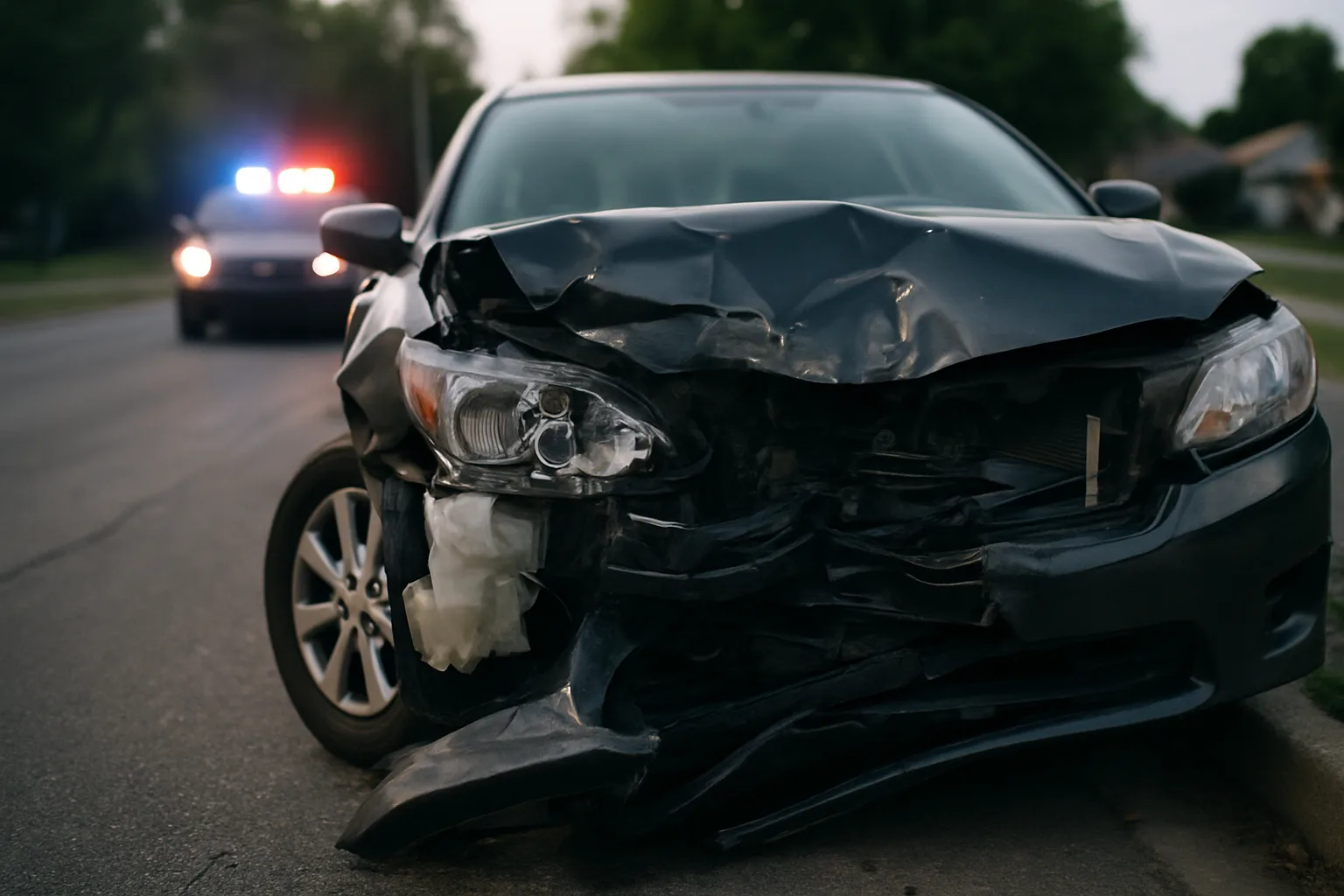
- Mild concussions with quick recovery often settle for $10,000–$25,000.
- Moderate to severe concussions with lasting symptoms can settle for $50,000–$100,000+.
- Your settlement also depends on the strength of liability evidence and insurance policy limits.
A concussion is one of the most common injuries in car accidents, but it can also be one of the most misunderstood. Unlike a broken bone that shows up clearly on an X-ray, a concussion is a traumatic brain injury that may not appear on standard scans. This makes valuing a concussion claim more complex — and often more disputed by insurance companies.
If you or a loved one suffered a concussion in a crash, you're probably wondering what your case might be worth. The answer depends on several key factors, from the severity of your symptoms to the quality of your medical documentation. This article breaks down how concussion settlements are calculated, what a typical car accident settlement looks like for this injury, and how to strengthen your claim.
Remember: This article provides general information, not legal advice. Every case is different, and you should consult a qualified attorney for guidance specific to your situation.
What Is a Concussion in Legal Terms?
A concussion is a mild traumatic brain injury (mTBI) caused by a blow to the head or a violent shaking of the head and body. In a car accident, even a low-speed rear-end collision can cause your brain to hit the inside of your skull, leading to bruising, swelling, and stretching of nerve fibers.
Legally, a concussion is treated like any other injury — you must prove that the accident caused your injury and that it resulted in measurable damages. The key difference from other injuries is that concussion symptoms can be subjective and delayed, which makes documentation critical.
Common Concussion Symptoms After a Car Accident
Symptoms of a concussion can appear immediately or develop over hours or days. They include:
- Headaches and pressure in the head
- Dizziness, balance problems, or blurred vision
- Nausea or vomiting
- Confusion, memory problems, or difficulty concentrating
- Sensitivity to light or noise
- Irritability, mood swings, or depression
- Sleep disturbances (sleeping more or less than usual)
If you experience any of these after a crash, see a doctor immediately — even if you feel fine. Delayed treatment can hurt both your health and your claim.
How Is a Settlement for a Concussion Calculated?

Insurance adjusters and attorneys calculate settlement value by adding up your “economic damages” (tangible financial losses) and “non-economic damages” (pain and suffering, loss of enjoyment of life). Sometimes “punitive damages” are added if the at-fault driver acted recklessly, but that's rare in typical car accidents.
Economic Damages for a Concussion
These are the hard costs you can document with bills, receipts, and pay stubs:
- Medical expenses: Emergency room visits, diagnostic scans (CT, MRI), follow-up appointments, medications, physical therapy, and cognitive rehabilitation.
- Lost income: Wages you missed while recovering, plus any lost earning capacity if symptoms persist long-term.
- Out-of-pocket costs: Travel to appointments, home care, and medical equipment.
For a concussion, medical bills alone can range from a few hundred dollars for a single ER visit to tens of thousands for ongoing treatment. The higher your medical costs, the higher your settlement will generally be.
Non-Economic Damages for a Concussion
These damages compensate for the injury's impact on your quality of life. They are harder to quantify, but attorneys and adjusters often use a “multiplier” method: they multiply your total economic damages by a number between 1.5 and 5, depending on the severity of your injury.
For a concussion, factors that increase the multiplier include:
- Persistent symptoms lasting months or longer
- Inability to return to work or normal activities
- Significant cognitive or emotional changes
- Doctor-confirmed post-concussion syndrome
So if your medical bills and lost wages total $20,000, and your concussion is moderate with lasting symptoms, the adjuster might apply a multiplier of 3, giving you $60,000 in non-economic damages — for a total settlement of $80,000.
What Is the Typical Settlement for a Car Accident Concussion?
Because every case is unique, it's impossible to give a precise number. But based on average car accident settlement amount data and case studies, here are illustrative ranges:
| Severity Level | Typical Symptoms | Illustrative Settlement Range |
|---|---|---|
| Mild (Grade 1) | Headache, dizziness, resolves in days to weeks | $10,000 – $25,000 |
| Moderate (Grade 2) | Confusion, memory issues, symptoms last weeks to months | $25,000 – $60,000 |
| Severe (Grade 3) or Post-Concussion Syndrome | Loss of consciousness, long-term cognitive or emotional problems | $60,000 – $150,000+ |
These are broad estimates. Some mild concussions settle for less than $10,000 if the injured person recovers fully in a few days. Others with severe post-concussion syndrome have settled for over $200,000, especially when the accident was clearly the other driver's fault and insurance limits were high.
How Long Does a Car Accident Settlement Take for a Concussion?

One of the most common questions after an injury is how long does a car accident settlement take. For a concussion claim, the timeline depends on several factors:
- Medical treatment duration: You should not settle until your doctor says you have reached “maximum medical improvement” (MMI) — meaning your condition is stable and unlikely to change. For concussions, this can take weeks to over a year.
- Insurance company cooperation: Some adjusters move quickly; others delay. If liability is disputed, the process slows.
- Negotiation or litigation: Most claims settle out of court within 6–12 months after MMI. If a lawsuit is filed, it can take 1–3 years.
For a detailed breakdown, see our guide on how long does a car accident settlement take.
Why You Shouldn't Settle Too Quickly
Insurance companies often try to settle concussion claims early, before you fully understand your symptoms. A concussion may seem minor at first but later develop into chronic headaches, memory loss, or depression. Once you settle, you cannot reopen the case.
Always wait until your symptoms have stabilized or resolved before accepting any offer.
What Factors Affect the Value of Your Concussion Settlement?
Several key factors can increase or decrease your auto accident settlement for a concussion:
1. Severity and Duration of Symptoms
The most important factor. A concussion that resolves in a week is worth far less than one that causes post-concussion syndrome for six months. Objective evidence — like MRI findings (if any), neuropsychological testing, and doctor notes — strengthens your claim.
2. Medical Documentation
You need a clear paper trail: ER records, follow-up visits, imaging reports, and any referrals to specialists like neurologists or concussion clinics. Gaps in treatment or failure to follow doctor's orders can hurt your credibility.
3. Liability (Who Was at Fault)
If the other driver clearly caused the accident, your settlement will be higher. If you share some fault — for example, you were speeding — your payout may be reduced by your percentage of fault under your state's comparative negligence rules.
4. Insurance Policy Limits
The at-fault driver's insurance policy limit sets a ceiling on what you can collect (unless you have underinsured motorist coverage). If the driver has only $25,000 in coverage, your settlement cannot exceed that amount regardless of your damages.
5. Your Own Insurance Coverage
If the at-fault driver has no insurance or low limits, your own uninsured/underinsured motorist (UM/UIM) coverage can pay your claim. Check your policy limits.
6. Hiring an Accident Settlement Lawyer
Studies consistently show that people who hire an attorney receive larger settlements than those who go it alone. An experienced accident settlement lawyer knows how to value a concussion claim, gather evidence, and negotiate with adjusters. Most work on contingency — you pay nothing unless you win.
How to Prove a Concussion in a Car Accident Claim
Proving a concussion requires more than just saying you have a headache. Here's what builds a strong case:
- Immediate medical attention: Go to the ER or your doctor within 24–48 hours of the accident.
- Diagnostic imaging: CT scans and MRIs are often normal with concussions, but they can rule out more serious brain injuries. Some advanced imaging (like diffusion tensor imaging) may show damage, but it's not standard.
- Neuropsychological testing: This can objectively measure cognitive deficits in memory, attention, and processing speed.
- Consistent symptom journal: Write down your symptoms daily, including how they affect your work, sleep, and relationships.
- Witness statements: Family, friends, and coworkers can testify to changes in your behavior or abilities.
Do I Need a Lawyer for a Concussion Settlement?
You are not legally required to have a lawyer, but for any injury that causes ongoing symptoms or significant medical bills, legal representation is strongly recommended. Insurance adjusters are trained to minimize payouts, and concussion claims are easy to undervalue because the injury is invisible.
A lawyer can:
- Calculate the full value of your claim, including future medical costs and lost earning potential.
- Handle communication with the insurance company so you don't accidentally say something that hurts your case.
- Hire expert witnesses (like neurologists or vocational experts) to support your claim.
- File a lawsuit if the insurance company refuses to offer a fair settlement.
For more on what your case might be worth, see our page on car accident settlement values.
What to Do If the Insurance Company Denies Your Concussion Claim
It's not uncommon for insurers to deny concussion claims, arguing that the symptoms are pre-existing or exaggerated. If this happens, you have options:
- Appeal the denial with additional medical evidence.
- File a complaint with your state's insurance commissioner.
- Hire a lawyer to negotiate or sue.
Don't give up just because the first offer is low or denied. Many concussion claims are initially undervalued but later settle for fair amounts with proper representation.
The Role of Pre-Existing Conditions in Concussion Settlements
Insurance companies often scrutinize concussion claims for pre-existing conditions. If you had prior head injuries, migraines, or cognitive issues, the adjuster may argue your symptoms are not accident-related.
To counter this, your attorney can obtain your medical records from before the accident. They can then show that your symptoms worsened or changed after the crash. This is called the "eggshell plaintiff" rule — you take the victim as you find them.
For example, if you had occasional headaches before the accident but now suffer daily migraines, the difference is compensable. Your settlement should reflect the new or worsened symptoms caused by the crash.
How to Document Pre-Existing Conditions
Be honest with your doctor about any prior injuries. Withholding information can harm your credibility. Your medical team can then differentiate between old and new symptoms.
Your lawyer will also request records from your primary care physician and any specialists you saw before the accident. This creates a baseline for comparison.
Concussion Settlements and Lost Earning Capacity
One of the most significant damages in a concussion claim is lost earning capacity. This applies when your cognitive symptoms prevent you from returning to your previous job or advancing in your career.
For example, a software developer with memory problems may no longer be able to code effectively. A teacher with sensitivity to noise may struggle in a classroom. These losses require expert testimony from vocational rehabilitation specialists.
Your settlement should account for both past lost wages and future reduced earning potential. This can add tens of thousands of dollars to your claim, especially if you are young or in a high-skill profession.
Calculating Lost Earning Capacity
Vocational experts analyze your education, work history, and functional limitations. They compare your pre-accident earning potential to your post-accident capacity.
For instance, if you earned $60,000 per year before the crash but can now only work part-time at $30,000, your future loss over 20 years could exceed $600,000. This figure is then reduced to present value and added to your settlement demand.
Concussion Settlements and Pain and Suffering
Pain and suffering damages for concussions are often undervalued by insurance adjusters. They may claim that headaches and dizziness are minor inconveniences, not serious injuries.
However, chronic concussion symptoms can be debilitating. They affect your ability to concentrate, socialize, exercise, and enjoy hobbies. The emotional toll — including anxiety, depression, and frustration — is real and compensable.
To maximize pain and suffering, keep a detailed journal. Describe how your symptoms limit your daily activities. For example, note that you cannot read for more than 15 minutes or that bright lights trigger severe headaches.
Using a Pain Diary to Strengthen Your Claim
A pain diary is a written record of your symptoms and their impact. Include the date, time, severity (on a scale of 1–10), and what you were doing when symptoms worsened.
Also note any activities you avoided because of your concussion. If you stopped driving at night or gave up jogging, that loss of enjoyment is evidence of non-economic damages.
Share your diary with your doctor and attorney. It provides concrete examples of how the injury affects your life, which helps justify a higher multiplier.
Concussion Settlements and Medical Specialists
Seeing the right medical specialists can significantly increase your settlement value. General practitioners may not fully understand the nuances of traumatic brain injuries.
Neurologists, neuropsychologists, and concussion clinic specialists can provide authoritative diagnoses. They can also order advanced testing, such as functional MRI or balance assessments, that show objective deficits.
For example, a neuropsychological evaluation might reveal that your processing speed dropped from the 80th percentile to the 30th percentile after the accident. This objective data is powerful evidence in negotiations.
When to Seek Specialist Care
If your symptoms persist for more than two weeks, ask your doctor for a referral to a neurologist. If you have cognitive complaints, request a neuropsychological evaluation.
Specialist reports carry more weight with insurance adjusters and juries. They also demonstrate that you are taking your recovery seriously, which can improve your credibility.
The Impact of Delayed Symptoms on Your Settlement
Concussion symptoms can appear hours or even days after a car accident. You might feel fine at the scene but develop headaches, nausea, or confusion later that evening.
This delay can complicate your claim. The insurance company may argue that your symptoms are not related to the crash because you did not seek immediate medical attention. To counter this, document the exact timeline of your symptoms.
For example, if you started feeling dizzy three hours after the accident, write that down. If you woke up the next morning with a severe headache, record that too. Consistent documentation shows that your symptoms are connected to the crash.
Steps to Take If Symptoms Are Delayed
If you experience delayed symptoms, see a doctor as soon as possible. Explain that you were in a car accident and describe when the symptoms began.
Also, contact your attorney. They can help you gather evidence, such as text messages or phone calls you made to family members about your symptoms. This creates a contemporaneous record of your condition.
Do not let the insurance company pressure you into settling before your symptoms fully develop. Wait until you have a clear picture of your recovery trajectory.
Concussion Settlements and Comparative Negligence
Many states follow comparative negligence rules, which reduce your settlement by your percentage of fault. For example, if you were 20% at fault for the accident, your settlement is reduced by 20%.
In some states, such as those with pure comparative negligence, you can recover even if you are 99% at fault. In others, like those with modified comparative negligence, you cannot recover if you are 50% or more at fault.
Your attorney will analyze the accident report and witness statements to determine fault. They will also argue for the lowest possible percentage of fault assigned to you.
How to Minimize Your Fault Percentage
Never admit fault at the accident scene or to the insurance company. Let the evidence speak for itself. Your attorney will handle all communications to protect your rights.
If the other driver claims you were speeding or distracted, your lawyer can challenge that with data from the police report or black box. Strong evidence can reduce your fault percentage and increase your settlement.
Concussion Settlements and the Role of Expert Witnesses
Expert witnesses can be pivotal in a concussion claim. They provide professional opinions that support your case and counter insurance company arguments.
Common experts in concussion cases include neurologists, neuropsychologists, vocational rehabilitation specialists, and accident reconstructionists. Each expert adds credibility to different aspects of your claim.
For instance, a neurologist can testify that your symptoms are consistent with a traumatic brain injury. A vocational expert can quantify your lost earning capacity. Their fees are often recoverable as part of your settlement.
How Expert Testimony Boosts Settlement Value
Insurance adjusters know that expert testimony is expensive to challenge. A well-prepared expert report can pressure the adjuster to offer a higher settlement.
In one illustrative case, a plaintiff with post-concussion syndrome saw their settlement offer increase from $30,000 to $120,000 after a neuropsychologist provided objective testing results. The expert's report left little room for the insurer to dispute the severity of the injury.
Your attorney will decide which experts are necessary based on the specifics of your case. Do not hesitate to ask about the potential value of expert testimony during your initial consultation.
Concussion Settlements and the Statute of Limitations
Every state has a statute of limitations for filing a personal injury lawsuit. This is a strict deadline that varies from one to six years, depending on the state.
If you miss the deadline, you lose your right to sue. For concussion claims, this deadline is especially important because symptoms can take months to fully develop.
Check your state's statute of limitations as soon as possible. Your attorney will ensure all paperwork is filed on time, protecting your ability to seek compensation.
Why You Should Not Wait Too Long
Even if you are still recovering, do not wait until the last minute to file. Evidence can disappear, witnesses can forget details, and insurance companies may become less cooperative over time.
Your lawyer can file a lawsuit to preserve your rights while you continue treatment. The lawsuit can then be paused while you reach maximum medical improvement. This strategy protects your claim without rushing your recovery.
For more on timelines, see our guide on how long does a car accident settlement take.
Key Takeaways
- A fair settlement for a concussion in a car accident depends on the severity of symptoms, medical costs, lost income, and pain and suffering — generally ranging from $10,000 to over $100,000.
- Document everything: see a doctor immediately, keep a symptom journal, and follow all treatment recommendations.
- Do not settle until you have reached maximum medical improvement — concussion symptoms can worsen over time.
- Hiring an experienced accident settlement lawyer can significantly increase your settlement amount.
- For more information on timelines and average values, read our articles on average car accident settlement amount and how long does a car accident settlement take.
For official information on traumatic brain injury, visit the CDC's Traumatic Brain Injury page.
Frequently asked questions
What is a fair settlement for a concussion in a car accident?
How long does it take to settle a concussion car accident claim?
Do I need a lawyer for a concussion settlement?
Can I settle a concussion claim without medical records?
What if my concussion symptoms go away quickly?
This article is for general informational purposes only and does not constitute legal advice. Always consult a qualified professional about your specific circumstances.

Written & reviewed by
Can OTUConsumer Legal Information Researcher & Editor
Can OTU researches and edits every guide on this site, drawing on primary legal sources, court records, and state statutes to produce accurate, plain-English explanations of U.S. compensation and personal injury claims.
View all guides →