California Rideshare Accident Claims in 2026: How SB 371 and SB 623 Change Your Rights
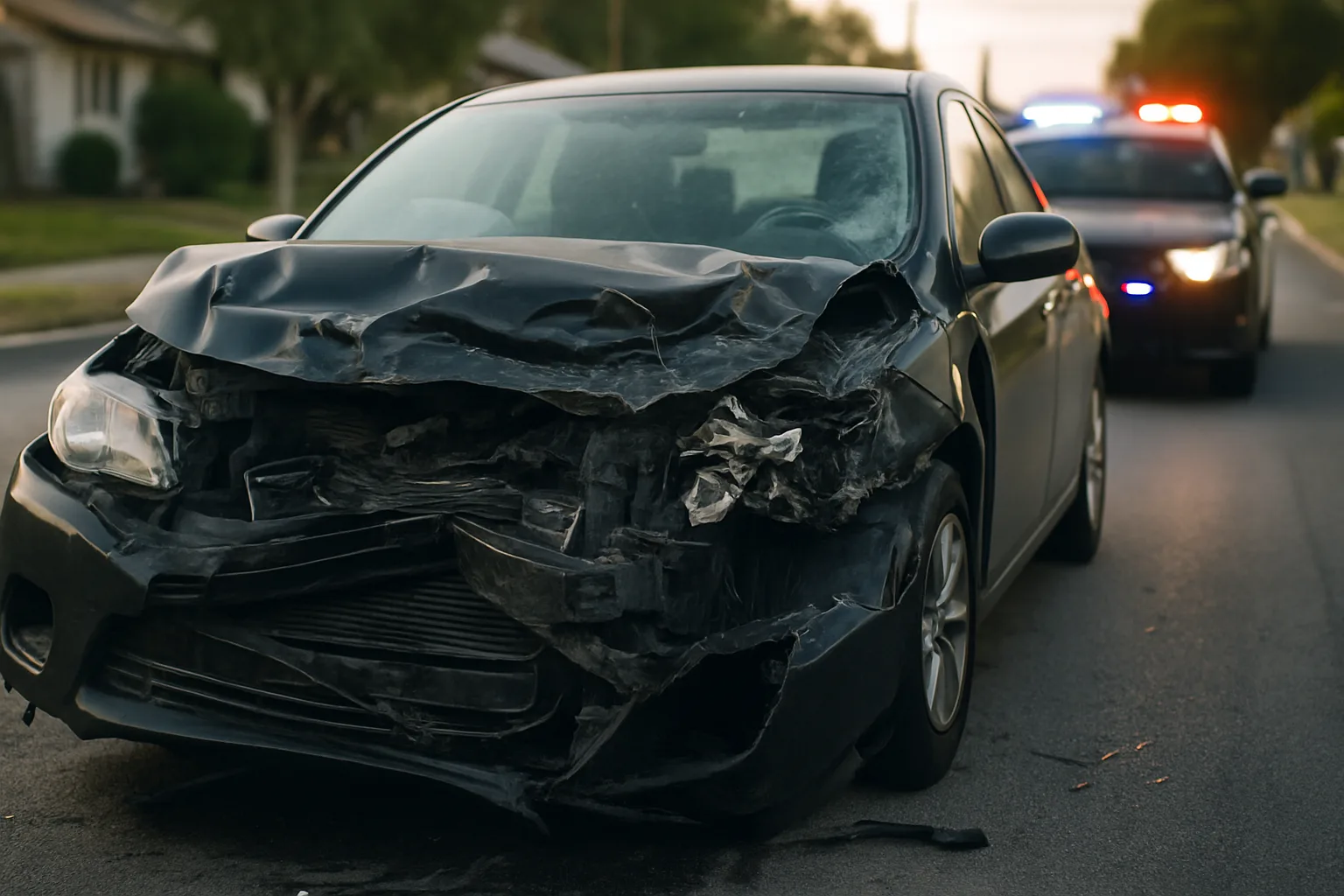
Understanding these changes is crucial because they directly impact your ability to recover damages. Whether you were a passenger, another driver, or a pedestrian, the rules governing rideshare accidents have changed. We'll break down the key provisions, how they compare to prior law, and practical steps to protect your claim.
Please remember: this article provides general information, not legal advice. Every case is unique, and you should consult a qualified attorney about your specific situation.
What Is SB 371? Expanding Rideshare Company Liability
SB 371, signed into law in 2024, takes effect on January 1, 2026. It directly addresses a longstanding loophole: rideshare companies like Uber and Lyft often argued they were not liable for their drivers' negligence because drivers were independent contractors, not employees. SB 371 changes that by making rideshare companies vicariously liable for driver negligence during the course of a trip.
How Vicarious Liability Works Under SB 371
Under the new law, if a rideshare driver causes an accident while transporting a passenger or en route to pick one up, the company can be held responsible for the driver's negligence. This means you can name the rideshare company as a defendant in your accident claims, potentially accessing larger insurance policies and corporate assets.
This is a significant departure from prior law, where companies often escaped liability by claiming independent contractor status. Now, the law treats the driver as an agent of the company for liability purposes during the ride. However, the law does not apply when the driver is logged off the app or not engaged in a ride.
The Scope of a "Trip" Under SB 371
Understanding when a trip begins and ends is critical under SB 371. The law defines a trip as starting when the driver accepts a ride request and ending when the passenger exits the vehicle.
This means the company is liable for accidents that occur while the driver is navigating to the pickup location. It also covers the entire period the passenger is inside the vehicle, including stops along the way.
For example, if a driver runs a red light while rushing to pick up a passenger, the company can be held responsible. Similarly, if a driver causes a crash while the passenger is in the car, the company is on the hook.
What About Drivers Who Are Logged In but Not on a Trip?
SB 371 does not cover drivers who are logged into the app but have not yet accepted a ride request. In that scenario, the driver is still an independent contractor, and the company is not vicariously liable.
This creates a gray area that can complicate accident claims. If an accident occurs during this "waiting period," you may need to pursue a claim directly against the driver and their personal insurance policy.
However, rideshare companies typically provide contingent liability coverage during this period, though it is often limited. For example, Uber provides $50,000 in bodily injury coverage per person while the driver is available but not on a trip.
What Is SB 623? Increasing Noneconomic Damages Caps

SB 623, also effective in 2026, increases the cap on noneconomic damages (pain and suffering, emotional distress, loss of enjoyment of life) in rideshare accident cases. Previously, California's general damages cap for noneconomic losses in personal injury cases was $250,000 (under MICRA for medical malpractice, but rideshare cases were subject to different limits). SB 623 sets a new cap of $1 million for noneconomic damages specifically in rideshare accident claims.
Why the Cap Matters for Your Settlement
Noneconomic damages often form a large part of a settlement, especially for serious injuries. By raising the cap to $1 million, SB 623 allows you to recover more for intangible losses. This can significantly increase the value of your injury from car accident claims, particularly if you have severe, long-lasting injuries.
For example, a victim with chronic pain or PTSD may now recover up to $1 million for those harms, compared to lower limits before.
However, the cap applies only to noneconomic damages. Economic damages (medical bills, lost wages, property damage) remain uncapped. So your total settlement could exceed $1 million if your economic losses are substantial.
How the Cap Interacts with Other Damages
The $1 million cap is a ceiling for noneconomic damages only, not a floor. Your actual recovery for pain and suffering will depend on the severity of your injuries and the facts of your case.
For instance, a passenger with a mild soft tissue injury might recover only $5,000 in noneconomic damages, far below the cap. But a pedestrian who suffers a traumatic brain injury could approach the $1 million limit if the evidence supports it.
Economic damages like future medical care and lost earning capacity can add hundreds of thousands or even millions more. This means total settlements in severe cases can now reach into the multi-million dollar range.
How Do These Laws Affect Your Accident Claims?
Combined, SB 371 and SB 623 make rideshare accident claims more valuable but also more complex. You now have stronger legal grounds to sue the rideshare company, and you can seek higher compensation for pain and suffering. But insurance companies will likely fight harder to limit their exposure.
Liability Is Clearer, But Not Automatic
While SB 371 makes the company liable for driver negligence, you still must prove the driver was at fault. You'll need evidence like police reports, witness statements, and possibly expert testimony. The company may still argue that the driver was not acting within the scope of the rideshare trip at the time of the accident.
For example, if the driver was making a personal detour, such as stopping for gas or picking up a friend, the company might dispute liability. Your lawyer will need to gather trip data from the app to confirm the driver's status at the time of the crash.
Higher Damages Mean Higher Stakes
With the increased cap on noneconomic damages, insurance adjusters may be more motivated to settle quickly to avoid a large verdict. But they may also lowball initial offers, hoping you'll accept less than the full value of your claim. That's why it's critical to understand the true value of your claim and not settle too early.
Insurance companies for rideshare companies often have deep pockets and experienced legal teams. They may use delay tactics or dispute the severity of your injuries to reduce their payout. An experienced lawyer can counter these strategies and push for a fair settlement.
What Is the Statute of Limitations for Rideshare Accident Claims in California?

One of the most common questions after an accident is: how long do I have to file a lawsuit? In California, the statute of limitations on car accident claims is generally two years from the date of the accident. This applies to rideshare accidents as well.
If you miss this deadline, you lose your right to sue.
However, there are exceptions. If the government is involved (e.g., a city bus or government vehicle), you may have only six months to file a claim. Also, if the victim is a minor, the clock may not start until they turn 18.
Always check with an attorney to confirm your specific deadline.
Because SB 371 and SB 623 change the legal landscape, you should not delay. The statute of limitations accident claims still applies, and gathering evidence early is crucial.
Why Acting Quickly Matters Under the New Laws
Evidence like app data, GPS records, and driver logs can be lost or deleted over time. Rideshare companies may not preserve this data indefinitely, so prompt action is essential.
A lawyer can issue a preservation letter to the rideshare company to ensure critical evidence is saved. This can include trip logs, communication records, and insurance information that can strengthen your claim.
Waiting too long can also make it harder to locate witnesses or obtain accurate medical records. Early intervention gives your legal team the best chance to build a strong case.
How Much Is Your Rideshare Accident Claim Worth?
The value of your claim depends on many factors: severity of injuries, medical expenses, lost income, property damage, and the impact on your life. Under the new laws, your settlement could be significantly higher due to the increased noneconomic damages cap and expanded liability.
For a rough idea, minor injuries like whiplash might settle for $10,000 to $25,000. Moderate injuries like a broken bone could range from $30,000 to $75,000. Severe injuries like spinal cord damage or traumatic brain injury can result in settlements exceeding $500,000, and with the new cap, up to $1 million in noneconomic damages alone.
But these are just illustrative ranges. Every case is different. To get a more accurate estimate, consult an auto accident claims lawyer who handles rideshare cases.
They can evaluate your specific damages and negotiate with the insurance company.
For more detailed information on how settlements are calculated, see our guide on car accident settlement values. You can also check average car accident settlement amount for typical ranges. And if you're wondering about timing, read about how long does a car accident settlement take.
Do You Need an Accident Claims Lawyer?
Given the complexity of the new laws and the high stakes involved, hiring an experienced accident claims lawyer is strongly recommended. A lawyer can help you navigate the legal nuances, gather evidence, deal with insurance companies, and ensure you meet the statute of limitations.
Many accident claims lawyers offer free consultations and work on a contingency fee basis, meaning they only get paid if you win. This makes legal representation accessible even if you're worried about upfront costs.
What a Lawyer Can Do That You Cannot
An attorney can calculate the full value of your damages, including future medical costs and lost earning potential. They can also negotiate with insurance adjusters who are trained to minimize payouts.
Lawyers have access to expert witnesses, such as accident reconstruction specialists and medical professionals, who can strengthen your case. They can also handle all paperwork and court filings, reducing your stress during recovery.
Without a lawyer, you risk accepting a low settlement or missing critical deadlines. The new laws increase potential compensation, but they also require skilled legal guidance to realize that value.
How to File a Rideshare Accident Claim Under the New Laws
If you've been injured in a rideshare accident, follow these steps to protect your rights:
- Seek medical attention immediately. Your health comes first, and medical records also document your injuries.
- Report the accident to the police and the rideshare company. Get a copy of the police report and note the driver's information and insurance details.
- Preserve evidence. Take photos of the scene, your injuries, and vehicle damage. Get contact information from witnesses.
- Do not give a recorded statement to the insurance company without consulting a lawyer. Adjusters may use your words against you.
- Contact a lawyer. An experienced attorney can advise you on how SB 371 and SB 623 apply to your case and help you pursue maximum compensation.
Step-by-Step Guide to Preserving Your Claim
First, document everything as soon as possible after the accident. This includes taking photos of the vehicles, the surrounding area, and any visible injuries.
Second, obtain the driver's information, including their name, phone number, and insurance details. Also, get the rideshare company's trip ID number from the app.
Third, keep a journal of your symptoms, medical appointments, and how the injury affects your daily life. This can help quantify noneconomic damages like pain and suffering.
Common Defenses Rideshare Companies May Use
Even with SB 371, rideshare companies will still try to limit their liability. One common defense is arguing that the driver was not on a trip at the time of the accident.
For example, if the driver was logged into the app but had not accepted a ride, the company may claim no liability. Another defense is that the driver was acting outside the scope of their duties, such as making a personal errand.
Your lawyer can counter these defenses by obtaining app data and GPS records. This evidence can show exactly when the driver accepted a ride and where they were at the time of the crash.
Comparative Fault and Your Claim
California follows a pure comparative fault rule, meaning your compensation is reduced by your percentage of fault. For example, if you are found 20% at fault for the accident, your damages are reduced by 20%.
Under the new laws, the rideshare company can still argue that you contributed to the accident. This might include claims that you distracted the driver or failed to wear a seatbelt.
An attorney can help minimize your assigned fault by presenting evidence that shifts blame to the driver. This is crucial because even a small percentage of fault can significantly reduce your settlement.
How SB 371 and SB 623 Affect Insurance Coverage
Rideshare companies carry commercial insurance policies that cover accidents during trips. Under SB 371, these policies are now more likely to be the primary source of compensation for victims.
Previously, victims often had to rely on the driver's personal insurance, which may have low limits. Now, the company's policy, which typically has higher limits, is accessible for claims arising during trips.
SB 623's increased cap also means that insurance companies may face higher payouts. This could lead to higher premiums for rideshare companies, but it also ensures victims receive fairer compensation.
What Happens If the Driver Has No Insurance?
In rare cases, a rideshare driver may have lapsed or insufficient personal insurance. Under SB 371, the company's policy still applies if the accident occurred during a trip.
This is a major improvement over prior law, where victims might be left with no recourse. However, if the accident happened while the driver was off the app, the company's policy may not apply.
Your lawyer can investigate all available insurance policies, including your own uninsured motorist coverage. This ensures you have multiple avenues for compensation.
The Role of App Data in Your Rideshare Accident Claim
App data is often the most critical evidence in a rideshare accident case. It can show exactly when the driver accepted a ride, the route taken, and the speed of the vehicle.
Under SB 371, this data becomes even more important because it establishes whether the driver was on a trip. Without it, the rideshare company may dispute liability.
Your lawyer can request this data through a formal legal process. Rideshare companies are required to preserve this information once they receive a preservation letter.
How to Request App Data from Uber or Lyft
First, report the accident to the rideshare company through the app or website. This creates an official record of the incident.
Second, ask your lawyer to send a preservation letter to the company's legal department. This letter demands that all trip data be saved and not deleted.
Third, your lawyer can subpoena the data if the company is uncooperative. This ensures you have the evidence needed to prove liability under SB 371.
How the New Laws Affect Passengers vs. Third Parties
SB 371 and SB 623 apply to all victims of rideshare accidents, whether you are a passenger or a third party like another driver or pedestrian. The key difference is how your claim is structured.
Passengers often have a straightforward claim because they are clearly within the scope of the trip. Third parties may need to prove that the driver was on a trip at the time of the accident.
For example, if a rideshare driver hits a pedestrian while en route to a pickup, the pedestrian can sue the company under SB 371. The pedestrian's noneconomic damages are also capped at $1 million under SB 623.
Special Considerations for Rideshare Passengers
If you are a passenger, your claim is typically against the rideshare company's insurance policy. You may also have a claim against the other driver if a third party caused the accident.
Passengers should always verify that the driver is on a trip at the time of the accident. If the driver is logged in but not on a trip, the company may not be liable.
Your lawyer can check the app data to confirm your status. This ensures you pursue the correct defendant and maximize your compensation.
How to Choose the Right Lawyer for Your Rideshare Accident Case
Not all personal injury lawyers have experience with rideshare accident claims. You need a lawyer who understands SB 371 and SB 623 and how they affect your case.
Look for a lawyer who has handled cases against Uber or Lyft. They should be familiar with the process of obtaining app data and dealing with corporate legal teams.
Many lawyers offer free consultations, so you can interview several before making a decision. Ask about their experience with rideshare cases and their success rate in obtaining fair settlements.
Questions to Ask During a Consultation
Ask the lawyer how many rideshare accident cases they have handled. Inquire about their knowledge of SB 371 and SB 623 specifically.
Ask about their fee structure and whether they work on a contingency basis. Also, ask how they plan to gather evidence like app data and GPS records.
Finally, ask for examples of settlements or verdicts they have obtained in similar cases. This gives you confidence in their ability to handle your claim.
New Section: Understanding the Difference Between Economic and Noneconomic Damages
To fully grasp how SB 623 affects your claim, you must understand the two main types of damages. Economic damages are tangible financial losses like medical bills, lost wages, and property repair costs. Noneconomic damages are intangible losses like pain, suffering, and emotional distress.
Under SB 623, the $1 million cap applies only to noneconomic damages. Economic damages remain uncapped, meaning you can recover the full amount of your medical expenses and lost income. For example, a victim with $500,000 in medical bills and $200,000 in lost wages can recover that full $700,000 plus up to $1 million for pain and suffering.
This distinction is critical when calculating your claim's value. Your lawyer will work with medical experts and economists to quantify both types of damages accurately. This ensures you receive the maximum compensation allowed under the new laws.
New Section: How to Document Pain and Suffering for Your Claim
Proving noneconomic damages like pain and suffering requires strong evidence. Insurance companies often dispute these claims, so documentation is vital. Start by keeping a daily journal describing your physical pain, emotional struggles, and how your life has changed.
Include details about activities you can no longer enjoy, such as playing with your children or participating in hobbies. Note any sleep disturbances, anxiety, or depression caused by the accident. This journal provides a personal account that can support your claim for noneconomic damages.
Your lawyer may also use testimony from family and friends to describe how your injuries have affected your relationships. Medical records from therapists or counselors can further document emotional distress. The more evidence you have, the stronger your case for reaching the $1 million cap under SB 623.
New Section: The Impact of SB 371 on Rideshare Driver Rights and Responsibilities
While SB 371 expands liability for rideshare companies, it also affects drivers. Drivers may now face greater scrutiny from their employers, who have a financial incentive to ensure safe driving. Companies might implement stricter monitoring of driver behavior, such as tracking speed and braking patterns.
Drivers should also be aware that their personal insurance policies may not cover accidents during rideshare trips. Many personal auto policies exclude commercial activities, leaving drivers exposed. Under SB 371, the company's policy covers accidents during trips, but drivers still need their own coverage for off-app periods.
If you are a driver involved in an accident, you should still report the incident to the rideshare company immediately. Your lawyer can help you navigate the complex insurance landscape and protect your interests. Remember that SB 371 does not shield you from personal liability if you are at fault.
New Section: Potential Challenges to the New Laws
SB 371 and SB 623 may face legal challenges from rideshare companies. Uber and Lyft have historically fought against reclassifying drivers as employees, and they may argue that SB 371 violates their contractual rights. However, the California legislature passed these laws with strong support, and they are presumed constitutional.
Another potential challenge involves the $1 million cap under SB 623. Some critics argue that the cap is still too low for catastrophic injuries, while others believe it is too high and will drive up insurance costs. Courts may need to interpret the cap's application in specific cases, such as those involving multiple victims.
Despite these uncertainties, the laws are currently set to take effect on January 1, 2026. Your lawyer will stay updated on any legal challenges that could affect your claim. For now, you should proceed under the assumption that the laws are valid and enforceable.
Key Takeaways
- SB 371 makes rideshare companies liable for driver negligence during trips, expanding your options for accident claims.
- SB 623 raises the cap on noneconomic damages to $1 million, potentially increasing your settlement.
- The statute of limitations for rideshare accident claims in California is generally two years, but exceptions exist.
- Consult an accident claims lawyer to navigate these new laws and protect your rights.
- For more information, visit the California Legislative Information website to read the full text of SB 371 and SB 623.
Frequently asked questions
What is the new law for rideshare accidents in California in 2026?
How does SB 371 affect Uber and Lyft liability?
What is the statute of limitations for a rideshare accident in California?
Can I still sue the driver after SB 371?
How much can I get for pain and suffering in a California rideshare accident?
This article is for general informational purposes only and does not constitute legal advice. Always consult a qualified professional about your specific circumstances.

Written & reviewed by
Can OTUConsumer Legal Information Researcher & Editor
Can OTU researches and edits every guide on this site, drawing on primary legal sources, court records, and state statutes to produce accurate, plain-English explanations of U.S. compensation and personal injury claims.
View all guides →