Premises Liability Claims: When a Property Owner Owes You Compensation
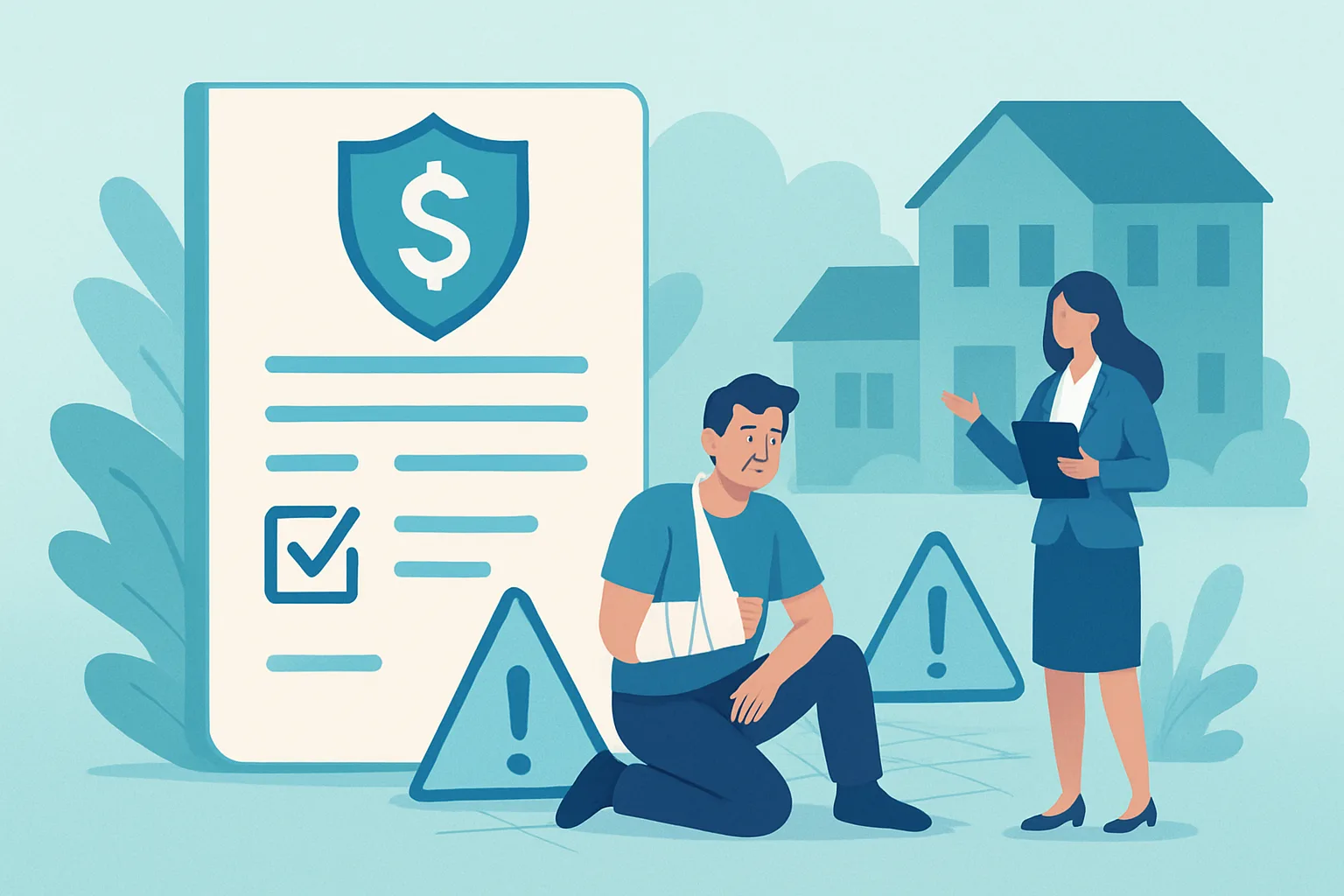
- Property owners have a legal duty to keep their premises reasonably safe for visitors.
- To win a claim, you must prove the owner knew or should have known about the hazard and failed to fix it or warn you.
- Compensation can cover medical bills, lost wages, pain and suffering, and other damages.
If you have been injured on someone else's property—whether at a store, a friend's home, or a public building—you may be wondering who is responsible for your medical bills and other losses. The legal concept that governs these situations is called premises liability. This area of law holds property owners and occupiers accountable when their failure to maintain a safe environment causes harm to visitors.
Premises liability claims are a type of personal injury case. They are not the same as a workers compensation claim, which covers injuries that happen on the job. In a premises liability case, you are typically a customer, guest, or passerby who was injured because of a dangerous condition on the property.
Understanding your rights and the legal process can help you decide whether to pursue an accident compensation claim.
This article provides a comprehensive overview of premises liability claims, including how to prove negligence, what damages you can recover, and how the claims process works. It is general information, not legal advice. Every case is unique, and you should consult with a qualified attorney to discuss your specific situation.
What Is a Premises Liability Claim?
A premises liability claim is a legal action against a property owner or occupier for injuries caused by a dangerous condition on their property. The claim is based on the idea that the owner had a duty to keep the premises safe and breached that duty, leading to your injury.
Common examples include slip and fall accidents, inadequate security leading to assault, dog bites, swimming pool accidents, and injuries from falling objects. The key is that the hazard was unreasonable and the owner knew or should have known about it.
To succeed, you must show that the owner was negligent. Negligence means the owner failed to act with reasonable care. This is different from strict liability, where you do not need to prove fault.
Most premises liability cases require proof of negligence.
Who Can Be Held Liable in a Premises Liability Case?
The liable party is usually the property owner, but it can also be a tenant, a business operator, or a property manager. The key is who has control over the property and the responsibility to maintain it.
For example, if you slip on a wet floor in a grocery store, the store owner or manager is likely responsible. If you are injured at a rental property, the landlord may be liable if they failed to repair a known hazard. In some cases, a government entity may be the owner, but special rules apply.
It is important to identify all potentially responsible parties. An attorney can help investigate who had control and what their duties were.
Multiple Defendants in a Single Claim
Sometimes more than one party shares responsibility for a dangerous condition. For instance, a shopping mall owner might be liable for a cracked floor, while a cleaning company might be liable for leaving it wet.
Your attorney can name multiple defendants in your lawsuit. This increases the chances of recovering full compensation for your injuries.
What Duty Does a Property Owner Owe You?
The duty a property owner owes depends on your legal status when you are on the property. There are three main categories: invitee, licensee, and trespasser. Most premises liability claims involve invitees or licensees.
Invitees
An invitee is someone invited onto the property for business purposes, such as a customer in a store, a client in an office, or a guest at a hotel. Property owners owe the highest duty to invitees: they must regularly inspect the property, fix any hazards they find, and warn of any dangers they cannot fix. If a store owner fails to clean up a spill promptly, they may be liable to a customer who slips.
Licensees
A licensee is someone on the property for their own purposes but with the owner's permission, such as a social guest. The owner must warn the licensee of known hidden dangers but is not required to inspect the property. For example, if you visit a friend's home and they know the porch step is rotten but do not warn you, they may be liable if you fall.
Trespassers
Trespassers are on the property without permission. Generally, owners owe no duty to trespassers except to avoid intentional harm. However, there are exceptions, especially for child trespassers (the "attractive nuisance" doctrine) and in some states where a duty of ordinary care is owed to all entrants.
What Must You Prove to Win a Premises Liability Claim?
To win a premises liability claim, you must prove four elements: duty, breach, causation, and damages. These are the standard elements of negligence.
- Duty: The property owner owed you a duty of care based on your status (invitee, licensee, etc.).
- Breach: The owner breached that duty by failing to maintain safe premises or warn of hazards.
- Causation: The breach directly caused your injury. You must show that the hazardous condition was the actual and proximate cause of your harm.
- Damages: You suffered actual damages, such as medical expenses, lost income, or pain and suffering.
Evidence is critical. Photographs of the hazard, witness statements, incident reports, and medical records all help prove your case. An attorney can help gather and preserve evidence.
Understanding Constructive Notice
Constructive notice means the owner should have known about the hazard through reasonable inspection. For example, if a spill has been on the floor for an hour, the owner is expected to have discovered it.
Courts consider factors like the time the hazard existed and the frequency of inspections. A store that inspects aisles every 30 minutes may not be liable for a spill that occurred five minutes ago.
What Types of Hazards Can Lead to a Premises Liability Claim?
Many dangerous conditions can give rise to a claim. Some of the most common include:
- Slip and fall hazards: Wet floors, uneven surfaces, loose rugs, and icy walkways.
- Tripping hazards: Cracked sidewalks, cluttered aisles, and raised thresholds.
- Inadequate security: Poor lighting, broken locks, and lack of security personnel leading to assault or robbery.
- Dog bites: Owners may be liable for injuries caused by their pets.
- Swimming pool accidents: Drowning or diving injuries due to lack of barriers or supervision.
- Falling objects: Items falling from shelves or construction debris.
- Defective conditions: Broken stairs, faulty handrails, or malfunctioning elevators.
Each type of hazard requires specific evidence. For example, in a slip and fall case, you need to show that the owner knew about the spill and had time to clean it up. The slip and fall settlement value depends on factors like injury severity and liability clarity.
Unique Hazards in Different Settings
In a retail store, common hazards include merchandise blocking aisles or wet floors near entrances. In an apartment building, broken stairs or faulty elevators are frequent issues.
On a construction site, hazards like open trenches or falling tools can cause severe injuries. Each setting requires a tailored approach to proving negligence.
How Is Fault Determined in a Premises Liability Case?
Fault is not always clear-cut. The property owner may argue that you were partly responsible for your own injury. For example, if you were texting while walking and didn't see a wet floor sign, the owner might claim comparative negligence.
Most states follow a comparative negligence rule. Under this rule, your compensation is reduced by your percentage of fault. If you are 20% at fault, you recover 80% of your damages.
Some states have a modified comparative negligence rule that bars recovery if you are 50% or 51% or more at fault. A few states still use contributory negligence, which bars recovery if you are even 1% at fault.
Understanding your state's rules is crucial. An attorney can explain how comparative negligence applies to your case.
How Fault Affects Settlement Negotiations
Insurance adjusters often use comparative negligence to reduce settlement offers. They may claim you were distracted or not paying attention.
Strong evidence of the owner's negligence can counteract these arguments. Witness testimony and video footage can show that the hazard was hidden or that no warning was given.
What Damages Can You Recover in a Premises Liability Claim?
If you prove negligence, you can recover both economic and non-economic damages. Economic damages are tangible losses like medical bills and lost wages. Non-economic damages are intangible like pain and suffering.
Common damages include:
- Medical expenses: Past and future medical costs related to the injury.
- Lost income: Wages lost due to time off work, plus reduced earning capacity if you have permanent limitations.
- Pain and suffering: Physical pain and emotional distress.
- Property damage: If your personal property was damaged, like a phone or clothing.
- Punitive damages: In rare cases where the owner's conduct was reckless or intentional, punitive damages may be awarded to punish the owner.
The amount of damages varies widely. For example, average slip and fall settlement amounts can range from a few thousand dollars for minor injuries to hundreds of thousands for severe injuries like fractures or head trauma.
Calculating Future Medical Costs
Severe injuries may require ongoing treatment, such as physical therapy or surgery. Your attorney will work with medical experts to estimate future expenses.
These projections are crucial for ensuring you receive enough compensation to cover long-term care. Without them, you might settle for less than you need.
How Do You File a Premises Liability Claim?
Filing a premises liability claim involves several steps. It is similar to filing a filing workers compensation claim, but the process is different because you are suing a third party, not your employer. Here is an overview:
- Seek medical attention: Your health is the priority. Get treatment and document your injuries.
- Preserve evidence: Take photos of the hazard, your injuries, and the scene. Get contact information for witnesses. Keep receipts and records.
- Report the incident: Notify the property owner or manager as soon as possible. Ask for a written incident report.
- Consult an attorney: Premises liability law is complex. An attorney can evaluate your case and advise you on the best course of action.
- Investigation: Your attorney will gather evidence, interview witnesses, and possibly hire experts.
- Demand letter: Your attorney will send a demand letter to the insurance company outlining your damages and requesting a settlement.
- Negotiation: The insurance company may make a counteroffer. Your attorney will negotiate to reach a fair settlement.
- Lawsuit: If a settlement cannot be reached, your attorney may file a lawsuit. Most cases settle before trial, but some go to trial.
Be aware of the statute of limitations, which is the deadline to file a lawsuit. This varies by state, typically ranging from one to six years. Missing the deadline can bar you from recovering compensation.
What to Include in a Demand Letter
A demand letter should clearly state the facts of the accident and the injuries you sustained. It should also include a detailed breakdown of your damages, such as medical bills and lost wages.
Your attorney will attach supporting documents like medical records and photos. A strong demand letter often leads to a faster settlement.
How Long Does a Premises Liability Claim Take?
The timeline depends on the complexity of the case, the severity of injuries, and whether the case settles or goes to trial. Many claims are resolved within a few months to a year. If a lawsuit is filed, it can take one to three years or more to reach trial.
Factors that affect the timeline include:
- Clarity of liability: If fault is clear, settlement may come quickly.
- Severity of injuries: Severe injuries may require more time to assess future medical needs.
- Insurance company cooperation: Some insurers are more willing to negotiate than others.
- Court docket: Busy courts can delay trial dates.
Your attorney can give you a realistic estimate based on your specific circumstances.
Why Some Cases Take Longer
If liability is disputed, the case may require depositions and expert testimony. This adds months to the timeline.
Similarly, if your injuries are still healing, your attorney may wait until you reach maximum medical improvement before settling. This ensures all future damages are accounted for.
What If the Property Owner Is a Government Entity?
If you are injured on government property—such as a public park, government building, or sidewalk—special rules apply. You must file a notice of claim within a short time frame, often 90 to 180 days. The government may also have immunity from certain types of claims.
An attorney experienced in municipal liability can help navigate these requirements.
Examples of Government Property Claims
Imagine you trip on a cracked sidewalk in front of a city hall. You must notify the city within a few months, or your claim may be barred.
Another example is a slip on a wet floor in a public library. The same strict deadlines apply, and missing them can end your case.
Can You File a Premises Liability Claim If You Were Trespassing?
Generally, trespassers cannot recover for injuries caused by a property owner's negligence. However, there are exceptions. For example, if the owner knew that trespassers frequently cross the property and set a trap or intentionally harm them, the trespasser may have a claim.
Also, children who trespass may be protected under the "attractive nuisance" doctrine if the property contains a dangerous artificial condition that is likely to attract children, such as a swimming pool or construction site.
The Attractive Nuisance Doctrine in Detail
This doctrine applies when a property owner maintains a dangerous condition that is likely to attract children. Examples include an unfenced pool, a trampoline, or heavy machinery.
The owner must take reasonable steps to protect children, such as installing a fence or locking the equipment. Failure to do so can lead to liability even if the child was trespassing.
How Does a Premises Liability Claim Differ from a Workers Compensation Claim?
A workers compensation claim is for injuries that occur on the job. It is a no-fault system: you do not need to prove negligence, but you generally cannot sue your employer. In contrast, a premises liability claim is against a property owner who is not your employer, and you must prove negligence.
If you are injured at work due to a hazardous condition on the premises, you may have both a workers compensation claim against your employer and a premises liability claim against a third party, such as the property owner if it is a different entity. This is known as a third-party claim. For example, if you are a delivery driver injured on a customer's property, you may file a workplace compensation claim against your employer and a premises liability claim against the customer.
It is important to understand the differences. A filing workman's compensation claim is typically straightforward, but a premises liability claim requires more evidence. If you have both types of claims, an attorney can coordinate them to maximize your recovery.
Third-Party Claims in Practice
Consider a warehouse employee who is injured by a falling shelf. If a contractor installed the shelf incorrectly, the employee can sue the contractor for premises liability.
Meanwhile, the employee also files for workers comp. The two claims are handled separately, and the employee may recover from both sources.
What If Your Workers Compensation Claim Is Denied?
If you are injured at work and your denied workers compensation claim is denied, you may still have a premises liability claim against a third party. For example, if you are a store employee injured by a falling display that was improperly maintained by a contractor, you can sue the contractor. Your injury compensation claim against the third party is separate from workers comp.
Even if workers comp is denied, you should still pursue an appeal. An attorney can help with both the workers comp appeal and the premises liability claim.
Why a Denied Claim Does Not End Your Case
A denial often happens because the employer disputes that the injury occurred at work. But the third-party claim does not depend on that dispute.
Your attorney can build a strong premises liability case using evidence of the hazardous condition. This gives you another path to compensation.
Do You Need a Lawyer for a Premises Liability Claim?
While you can file a claim on your own, hiring an attorney is strongly recommended. Premises liability cases involve complex legal rules, strict deadlines, and insurance companies that may try to minimize your claim. An experienced attorney can:
- Investigate the accident and gather evidence.
- Determine all liable parties.
- Calculate the full value of your damages.
- Negotiate with insurance companies.
- Represent you in court if necessary.
Most personal injury attorneys work on a contingency fee basis, meaning they only get paid if you recover compensation. This makes legal representation accessible to most people.
Even for less severe injuries, such as a slip and fall without surgery, you may still benefit from legal advice. Learn more about slip and fall settlements without surgery to understand your options.
When You Might Not Need a Lawyer
If your injuries are very minor, such as a small bruise, and liability is clear, you might handle the claim yourself. However, even minor injuries can lead to unexpected complications.
Insurance companies often take advantage of unrepresented claimants. A free consultation with an attorney can help you decide if you need representation.
What Should You Do Immediately After an Injury on Someone's Property?
Your actions right after an accident can significantly impact your claim. Follow these steps:
- Get medical help: Even if you think you are fine, some injuries may not appear immediately. A medical record links your injury to the accident.
- Report the incident: Notify the property owner or manager. Ask for a written report and get a copy.
- Document the scene: Take photos and videos of the hazard, surrounding area, and your injuries. Write down what happened while it is fresh in your mind.
- Gather witness information: Get names and contact information of anyone who saw the accident.
- Preserve evidence: Keep the shoes and clothing you were wearing, as they may show the condition of the floor or surface.
- Do not give a recorded statement: Insurance adjusters may ask for a statement. Politely decline and refer them to your attorney.
- Contact an attorney: The sooner you involve a lawyer, the better they can protect your rights.
Why You Should Avoid Social Media
Insurance adjusters often monitor social media for posts that contradict your injury claims. A photo of you at a party could be used to argue that you are not in pain.
It is best to avoid posting about the accident or your injuries entirely. Your attorney will advise you on what to share.
How Is a Premises Liability Settlement Calculated?
Settlement amounts are based on several factors, including:
- Medical expenses: Total medical bills and anticipated future costs.
- Lost income: Wages lost and reduced earning capacity.
- Pain and suffering: A multiplier method is often used, where economic damages are multiplied by a number (usually 1.5 to 5) based on injury severity.
- Liability strength: If the owner's fault is clear, the settlement may be higher.
- Insurance policy limits: The defendant's insurance coverage may cap the amount available.
There is no guaranteed amount. Each case is unique. An attorney can provide a range based on similar cases in your jurisdiction.
The Multiplier Method Explained
For a moderate injury like a sprained ankle, the multiplier might be 1.5 to 2. For a severe injury like a spinal cord injury, the multiplier could be 4 or 5.
This method is not a legal rule, but it is commonly used in negotiations. Your attorney will argue for a multiplier that reflects the true impact of your injuries.
What Are Common Defenses in Premises Liability Cases?
Property owners and their insurers often raise defenses to avoid liability. Common defenses include:
- Comparative negligence: Arguing that you were partly at fault.
- Assumption of risk: Claiming you knew the hazard and voluntarily exposed yourself to it.
- Open and obvious danger: Arguing that the hazard was so obvious that the owner had no duty to warn.
- No notice: Claiming the owner did not know and could not have known about the hazard.
- Statute of limitations: Arguing that you filed too late.
An experienced attorney can anticipate these defenses and prepare counterarguments.
How to Counter the "Open and Obvious" Defense
If the hazard was open and obvious, the owner may argue they had no duty to warn. However, if the hazard was still dangerous despite being obvious, the owner may still be liable.
For example, a wet floor with a warning sign might still be a hazard if the sign is small or placed poorly. Your attorney can argue that the owner should have taken additional steps, like closing the area.
How Can You Strengthen Your Premises Liability Claim?
To maximize your chances of a successful claim, consider these tips:
- Act quickly: Evidence can disappear, and memories fade. Start your case as soon as possible.
- Keep detailed records: Document everything related to your injury, including medical visits, expenses, and how the injury affects your daily life.
- Follow your doctor's orders: Attend all appointments and follow treatment plans. Gaps in treatment can be used against you.
- Do not post on social media: Insurance companies may monitor your accounts and use posts to argue that your injuries are not severe.
- Hire an attorney: Legal representation significantly improves your chances of a fair outcome.
The Role of Expert Witnesses
In complex cases, your attorney may hire experts like engineers or safety professionals. They can testify about how the hazard should have been prevented.
For example, an expert might explain that a staircase was built to outdated codes. This testimony can be very persuasive to a jury.
What Happens at Trial?
If your case goes to trial, both sides will present evidence and arguments. A judge or jury will decide whether the property owner was negligent and how much compensation you deserve.
Trials are rare in premises liability cases. Most settle before trial, but preparing for trial can strengthen your negotiating position.
Pre-Trial Discovery
During discovery, both sides exchange evidence and take depositions. This phase can last several months.
Your attorney will use discovery to uncover the owner's maintenance records and inspection logs. This evidence can prove that the owner knew about the hazard.
Can You Appeal a Premises Liability Decision?
If you lose at trial, you may be able to appeal the decision. Appeals are based on legal errors, not disagreements with the facts.
Your attorney can advise you on whether an appeal is worthwhile. Appeals can take another year or more to resolve.
How Do Insurance Companies Handle Premises Liability Claims?
Insurance companies often try to minimize payouts. They may dispute liability, downplay your injuries, or offer a low settlement early on.
Your attorney will handle all communications with the insurer. This prevents you from saying something that could hurt your case.
The Importance of Not Accepting the First Offer
The first settlement offer from an insurance company is often too low. It may not cover all your medical bills or lost wages.
Your attorney will negotiate for a fair amount. If the insurer refuses, your attorney may file a lawsuit to pressure them.
What Are the Time Limits for Filing a Premises Liability Claim?
Each state has a statute of limitations for premises liability claims. This deadline ranges from one to six years from the date of the injury.
Missing the deadline means you lose your right to sue. Your attorney will ensure all paperwork is filed on time.
Exceptions to the Statute of Limitations
In some cases, the deadline may be extended. For example, if the injured person is a minor, the clock may not start until they turn 18.
If the property owner is a government entity, the deadline is much shorter. Your attorney will check for any exceptions that apply to your case.
How Do You Choose the Right Attorney for Your Premises Liability Claim?
Look for an attorney with experience in personal injury and premises liability law. Check their track record with similar cases.
Most attorneys offer free consultations. Use this meeting to ask about their fees, experience, and approach to your case.
Questions to Ask During a Consultation
- How many premises liability cases have you handled?
- What is your success rate with settlements and trials?
- Will you handle my case personally, or will it be passed to another attorney?
- What are your fees, and how are they structured?
Choosing the right attorney can make a significant difference in the outcome of your claim.
Key Takeaways
- Premises liability claims hold property owners accountable for injuries caused by unsafe conditions on their property.
- You must prove negligence: duty, breach, causation, and damages.
- Your legal status (invitee, licensee, trespasser) affects the duty owed.
- Damages can include medical bills, lost wages, and pain and suffering.
- Act promptly: preserve evidence, report the incident, and consult an attorney.
- Understand the differences between premises liability and workers compensation claims.
- An attorney can help navigate the complex legal process and negotiate with insurance companies.
For more information, visit the USA.gov legal services page to find resources in your state.
Frequently asked questions
What is the difference between a premises liability claim and a workers compensation claim?
How long do I have to file a premises liability claim?
Can I still recover compensation if I was partly at fault for my injury?
What should I do if my workers compensation claim is denied but I was injured on the job due to a property hazard?
Do I need a lawyer for a slip and fall settlement without surgery?
This article is for general informational purposes only and does not constitute legal advice. Always consult a qualified professional about your specific circumstances.

Written & reviewed by
Can OTUConsumer Legal Information Researcher & Editor
Can OTU researches and edits every guide on this site, drawing on primary legal sources, court records, and state statutes to produce accurate, plain-English explanations of U.S. compensation and personal injury claims.
View all guides →