Grocery Store Slip and Fall Settlement
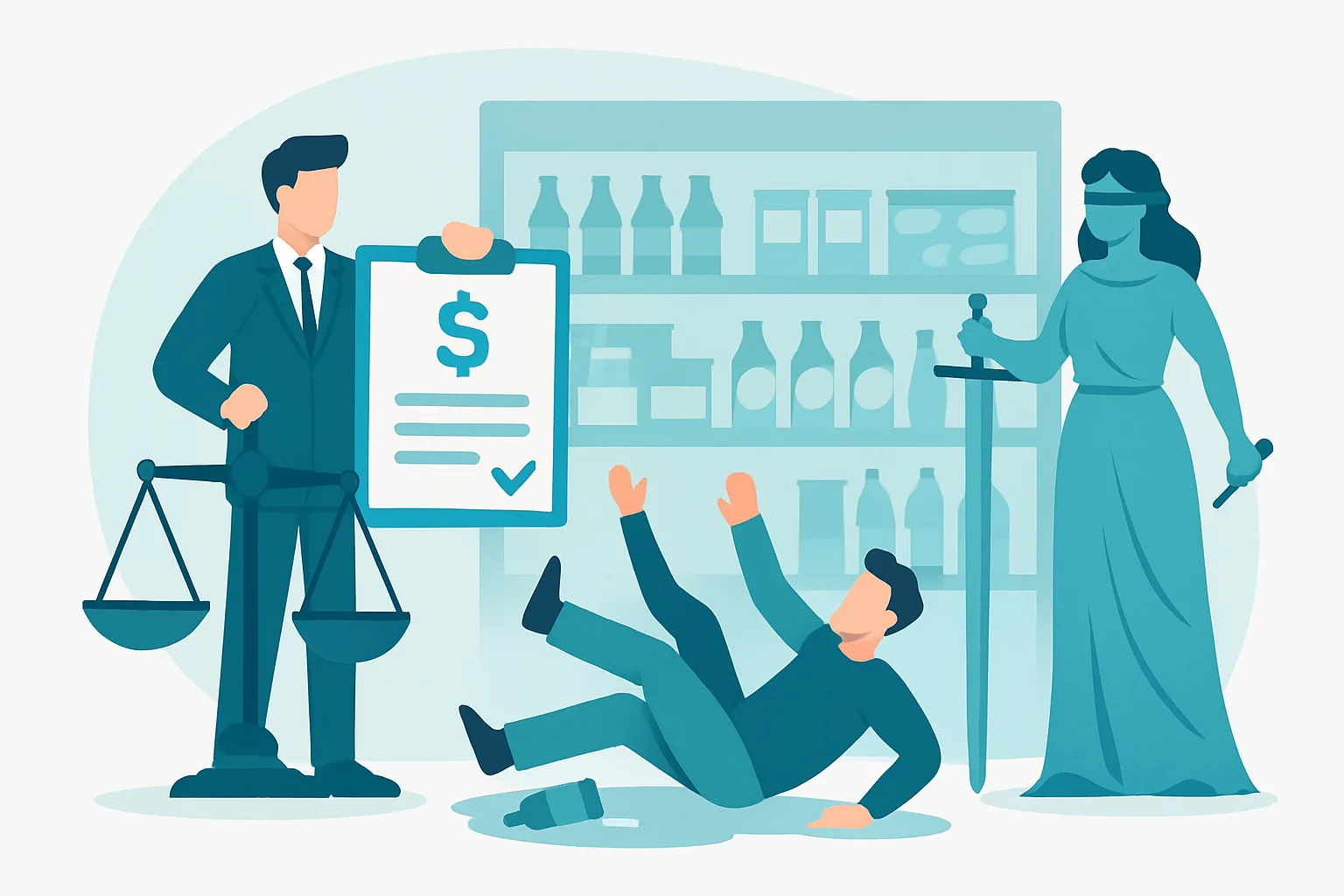
- Liability depends on the store's negligence in maintaining a safe environment.
- Medical documentation and evidence of the hazard are critical to proving your case.
- Settlements often occur before trial, but the amount varies widely based on injury severity, liability clarity, and insurance policy limits.
If you've been injured in a grocery store slip and fall, you're not alone. These accidents happen every day across the United States, from wet floors in the produce aisle to uneven pavement in the parking lot. The legal term for your claim is a premises liability case, and the compensation you may receive is called a grocery store slip and fall settlement.
This article explains what a slip and fall settlement is, how much you might expect, and the steps you should take to protect your rights. Remember, this is general information, not legal advice. Every case is unique, and consulting with a local attorney is essential.
Whether you've suffered a minor bruise or a serious fracture, understanding the settlement process can help you make informed decisions. We'll cover the key factors that affect your case, how to negotiate with insurance adjusters, and what to do if you need to file a lawsuit.
What Is a Grocery Store Slip and Fall Settlement?
A grocery store slip and fall settlement is an agreement between you (the injured party) and the store (or its insurance company) to resolve your claim without going to trial. In exchange for a payment, you agree not to sue the store for your injuries.
Settlements are common in slip and fall cases because both sides avoid the uncertainty and expense of a trial. The store may want to avoid negative publicity, and you may want to receive compensation sooner rather than later.
The settlement amount is meant to cover your medical bills, lost wages, pain and suffering, and other damages. However, the final figure depends on many factors, including how clearly the store was at fault and the severity of your injuries.
How Much Is the Average Grocery Store Slip and Fall Settlement?
There is no single "average" settlement because every case is different. However, looking at general data and case studies can give you a rough idea. According to industry reports, average slip and fall settlement amounts range from $10,000 to $50,000 for moderate injuries, but can be much higher for severe injuries like broken bones or head trauma.
For example, a slip and fall that results in a fractured hip might settle for $100,000 or more, while a minor sprain might settle for $5,000 to $15,000. The key is that settlement amounts are highly individualized.
Insurance companies use complex formulas to calculate settlement offers, considering medical expenses, lost income, and pain and suffering. They also factor in the strength of the evidence and the likelihood of winning at trial.
Factors That Affect Your Slip and Fall Settlement Amount
Severity of Your Injuries
The most important factor is the extent of your injuries. More severe injuries lead to higher medical bills, longer recovery times, and greater pain and suffering. A fracture requiring surgery will settle for much more than a minor bruise.
If you have permanent injuries, such as nerve damage or chronic pain, the settlement will be higher to account for future medical costs and lost earning capacity.
Liability and Fault
To win a slip and fall case, you must prove that the grocery store was negligent. This means they knew (or should have known) about the dangerous condition and failed to fix it or warn you. If the store can argue that you were partly at fault—for example, by not watching where you were going—your settlement may be reduced under comparative negligence rules.
In some states, if you are more than 50% at fault, you cannot recover anything. In others, your settlement is reduced by your percentage of fault. This makes evidence of the hazard crucial.
Quality of Evidence
Strong evidence is the backbone of a successful claim. Photographs of the spill or hazard, witness statements, surveillance video, and incident reports all help prove liability. The sooner you document the scene, the better.
Medical records that link your injuries directly to the fall are also critical. If you delay treatment, the insurance company may argue your injuries are not serious or were caused by something else.
Insurance Policy Limits
Grocery stores typically have liability insurance, but the policy limit caps the maximum payout. If your damages exceed the policy limit, you may only recover up to that amount unless the store has additional coverage or assets.
Large chain stores often have high policy limits (e.g., $1 million or more), while small independent stores may have lower limits. An attorney can help determine the available coverage.
Slip and Fall Settlements Without Surgery
Many slip and fall injuries do not require surgery. For example, a sprained ankle, back strain, or minor concussion may heal with rest and physical therapy. Slip and fall settlements without surgery are still possible, but the amounts are generally lower because medical costs are lower.
Even without surgery, you can recover compensation for medical bills, lost wages, and pain and suffering. The key is to document all treatment, including doctor visits, physical therapy, and medication. Insurance adjusters will look for objective evidence of your injury, such as MRI results or X-rays.
If your injury is soft tissue (muscles, ligaments, tendons) without visible damage on imaging, the settlement may be smaller because the injury is harder to prove. However, you can still negotiate a fair amount with proper documentation and a strong liability case.
How to File a Slip and Fall Lawsuit
If you cannot reach a fair settlement, you may need to file a slip and fall lawsuit. This is a formal legal process that begins with filing a complaint in court. The lawsuit will outline your allegations and the damages you seek.
Filing a lawsuit does not mean you will go to trial. Most cases still settle before trial, but the lawsuit gives you leverage. The store's insurance company knows that if they lose at trial, they may have to pay a larger verdict plus court costs.
The timeline for a lawsuit varies. From filing to trial, it can take 6 months to 2 years or more, depending on court schedules and the complexity of the case. During this time, discovery occurs, where both sides exchange evidence and take depositions.
What Compensation Can You Recover?
In a slip and fall case, you can recover two types of damages: economic and non-economic.
Economic Damages
These are tangible financial losses, including:
- Medical bills (past and future)
- Lost wages and reduced earning capacity
- Out-of-pocket expenses (e.g., transportation to appointments)
- Cost of assistive devices (e.g., crutches, wheelchair)
Non-Economic Damages
These compensate for intangible losses, such as:
- Pain and suffering
- Emotional distress
- Loss of enjoyment of life
- Permanent disability or disfigurement
In rare cases, if the store's conduct was especially reckless, you may also be awarded punitive damages, but these are not common in slip and fall cases.
How Long Do You Have to File a Claim?
Every state has a statute of limitations for personal injury claims. This is the deadline by which you must file a lawsuit. For slip and fall cases, the time limit is typically 1 to 3 years from the date of the accident.
If you miss the deadline, you lose your right to sue forever. That is why it is important to act quickly. Even if you think you might settle, starting the process early preserves your options.
Some states have shorter deadlines for claims against government entities (e.g., if you slip at a public market). Check with a local attorney to confirm the specific deadline for your case.
Should You Hire a Lawyer?
While you can handle a slip and fall claim on your own, hiring an experienced personal injury attorney can significantly increase your chances of a fair settlement. Attorneys know how to gather evidence, negotiate with insurance companies, and value your claim properly.
Most personal injury lawyers work on a contingency fee basis, meaning they only get paid if you win. Their fee is typically a percentage of the settlement (usually 33% to 40%). This arrangement makes legal representation accessible even if you cannot afford upfront costs.
If your injuries are minor and liability is clear, you might handle it yourself. But if you have significant medical bills, lost wages, or disputed liability, an attorney is a wise investment.
Steps to Take After a Grocery Store Slip and Fall
- Seek medical attention immediately. Your health is the priority, and medical records will be crucial for your claim.
- Report the accident to the store manager. Ask them to fill out an incident report and request a copy.
- Document the scene. Take photos of the hazard (e.g., wet floor, torn carpet), your injuries, and the surrounding area. Get contact information from witnesses.
- Preserve evidence. Keep the shoes and clothing you were wearing, as they may show the substance you slipped on.
- Do not give a recorded statement to the insurance company without consulting a lawyer. They may use your words against you.
- Consult with a personal injury attorney. Most offer free initial consultations.
Common Mistakes to Avoid
- Waiting too long to seek medical care. This can hurt your credibility and your health.
- Posting about the accident on social media. Insurance adjusters monitor social media for evidence that contradicts your claims.
- Accepting the first settlement offer. Initial offers are often low. Negotiate with the help of an attorney.
- Signing a release without understanding it. Once you sign, you cannot pursue further compensation.
Understanding the Role of Comparative Negligence
Comparative negligence is a legal rule that can affect your settlement. It assigns a percentage of fault to each party involved in the accident.
If you were distracted by your phone and did not see a warning sign, the store might argue you were 20% at fault. Your settlement would then be reduced by that percentage.
In pure comparative negligence states, you can recover even if you are 99% at fault, but your award is reduced accordingly. In modified comparative negligence states, you cannot recover if you are 50% or more at fault.
How to Counter Comparative Negligence Claims
To protect your settlement, gather evidence showing the store's negligence was the primary cause. Surveillance video can show that the store had ample time to clean a spill before you fell.
Witness statements that the hazard was present for a long time can also help. An attorney can depose store employees to establish a pattern of poor maintenance.
Documentation of prior similar incidents at the same store can further strengthen your case. This shows that the store knew about the risk but failed to act.
The Importance of Incident Reports
An incident report is a formal record of your accident created by the store. It should include details like the time, location, and cause of the fall.
Always request a copy of the incident report before leaving the store. If the store refuses, note the name of the manager and the store's corporate contact information.
Incident reports can be used as evidence in your claim. However, store employees may downplay the hazard in their report, so it is wise to have your own documentation as well.
What to Do If the Store Refuses to Provide a Report
If the store refuses to give you a copy, write down everything you remember as soon as possible. Include the date, time, weather conditions, and a description of the hazard.
Take photos of the area from multiple angles. Ask any witnesses to write down what they saw and provide their contact information.
An attorney can later subpoena the store's internal records if necessary. Do not let a refusal discourage you from pursuing your claim.
How Insurance Adjusters Evaluate Claims
Insurance adjusters are trained to minimize payouts. They will review your medical records, the incident report, and any other evidence to assess the value of your claim.
Adjusters often use software programs to calculate settlement offers based on medical costs and injury severity. They also consider the strength of the liability evidence and the likelihood of a lawsuit.
Be cautious when speaking with adjusters. They may ask seemingly innocent questions to get you to admit fault or downplay your injuries. Always consult a lawyer before giving a recorded statement.
Negotiation Tactics to Expect
Adjusters may start with a lowball offer, hoping you will accept quickly. They might also delay the process to pressure you into settling for less.
Another tactic is to question the necessity of your medical treatment. They may argue that your injuries were pre-existing or that you did not need certain procedures.
An experienced attorney can counter these tactics by presenting strong evidence and a well-documented demand letter. This often leads to a higher settlement offer.
What to Expect During Settlement Negotiations
Settlement negotiations typically begin after you have completed medical treatment or reached maximum medical improvement. Your attorney will send a demand letter to the insurance company outlining your damages.
The insurance company will respond with an initial offer, which is usually lower than your demand. Negotiations may go back and forth several times before reaching an agreement.
If negotiations stall, your attorney may suggest mediation. A neutral mediator can help both sides find common ground and avoid the expense of a trial.
When to Consider Mediation
Mediation is a voluntary process where a trained mediator facilitates discussions between you and the insurance company. It is less formal than a trial and can be scheduled relatively quickly.
Mediation can be effective when both sides are reasonable but cannot agree on a settlement amount. The mediator does not decide the case but helps explore options.
If mediation fails, you can still proceed to trial. However, many cases settle during or shortly after mediation.
Understanding the Statute of Limitations in Detail
The statute of limitations for slip and fall cases varies by state. For example, in California, you have two years from the date of the accident to file a lawsuit. In New York, you have three years.
Some states have shorter deadlines for claims against government-owned properties. For instance, if you slip at a public library, you may have only 90 days to file a notice of claim.
Missing the deadline can bar you from recovering any compensation. That is why it is critical to consult an attorney as soon as possible after your accident.
How to Determine Your State's Deadline
You can find your state's statute of limitations by searching online or consulting a local attorney. Many state bar association websites provide this information.
Keep in mind that the clock starts ticking on the date of the accident, not when you discover your injuries. If you are unsure, err on the side of acting quickly.
An attorney can also advise you on any exceptions that might extend the deadline, such as if you were a minor at the time of the accident.
The Role of Pre-Existing Conditions in Your Case
Insurance companies often try to reduce settlements by arguing that your injuries were pre-existing. For example, if you had a history of back pain, they may claim the fall did not cause your current symptoms.
To counter this, your attorney can present medical evidence showing that the fall aggravated your pre-existing condition. This is known as the "eggshell plaintiff" rule, which holds defendants liable for all harm caused, even if the victim was particularly vulnerable.
Documentation of your condition before the accident, such as medical records showing you were pain-free, can be powerful evidence. An attorney can help you build this argument.
How to Document Pre-Existing Conditions
If you have a pre-existing condition, keep records of all medical treatment you received before the accident. This includes doctor visits, test results, and any medications you were taking.
After the accident, get a doctor's opinion linking your new symptoms to the fall. A clear medical opinion can help establish causation.
Do not hide your pre-existing condition from your attorney or doctor. Full disclosure allows them to build a stronger case on your behalf.
How to Calculate Pain and Suffering Damages
Pain and suffering damages are non-economic and harder to quantify than medical bills. Insurance adjusters often use a multiplier method, where they multiply your economic damages by a number between 1.5 and 5.
The multiplier depends on the severity of your injuries. A minor sprain might use a multiplier of 1.5, while a serious fracture might use a multiplier of 3 or higher.
Another method is the per diem approach, where you assign a daily dollar amount to your pain and multiply it by the number of days you suffered. An attorney can help determine which method is best for your case.
Factors That Influence the Multiplier
The multiplier can be higher if your injuries are permanent or require long-term treatment. It can also be higher if the store's negligence was particularly egregious.
If you have strong evidence of pain, such as a diary describing your daily struggles, the adjuster may be more willing to use a higher multiplier. An attorney can help you present this evidence effectively.
Keep in mind that pain and suffering damages are subjective. A skilled negotiator can make a significant difference in the final amount.
Key Takeaways
- A grocery store slip and fall settlement is compensation for injuries caused by the store's negligence.
- Settlement amounts vary widely based on injury severity, liability, evidence, and insurance limits.
- Even without surgery, you can recover compensation for medical bills, lost wages, and pain and suffering.
- Act quickly: document the scene, seek medical care, and consult a lawyer to protect your rights.
- Most cases settle out of court, but filing a lawsuit may be necessary if negotiations fail.
For more detailed information on the settlement process, see our guide on slip and fall settlement amounts and factors.
If you have been injured, do not delay. Contact a qualified personal injury attorney in your state to discuss your case. Remember, this article is for informational purposes only and does not constitute legal advice.
Laws vary by jurisdiction, and you should consult with a licensed attorney.
Frequently asked questions
How long does a grocery store slip and fall settlement take?
Can I get a settlement if I was partially at fault?
What if the grocery store says the floor was marked with a warning sign?
Do I need a lawyer for a slip and fall settlement without surgery?
What if I slipped on a liquid spill in the grocery store?
This article is for general informational purposes only and does not constitute legal advice. Always consult a qualified professional about your specific circumstances.

Written & reviewed by
Can OTUConsumer Legal Information Researcher & Editor
Can OTU researches and edits every guide on this site, drawing on primary legal sources, court records, and state statutes to produce accurate, plain-English explanations of U.S. compensation and personal injury claims.
View all guides →